
 EN
EN
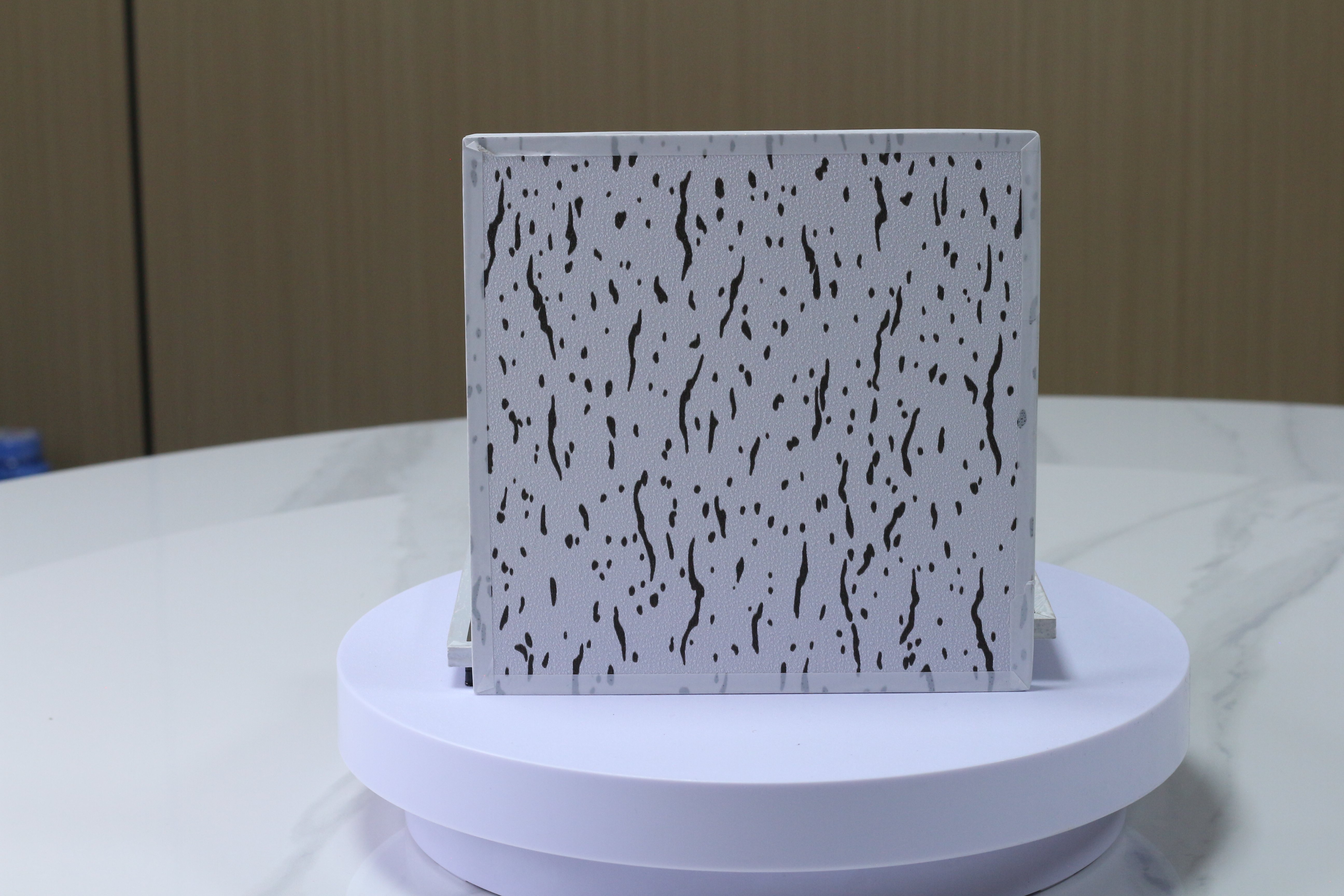
Evaluating Core Structural Integrity
Selecting high-performance building materials requires a focus on structural foundations that go beyond mere visual appeal. Professionals who frequently manage commercial interior renovation projects often emphasize the critical nature of Hamiltonian gypsum cores and high-density compositions. A top-tier board typically features a dense, high-purity core that provides robust load-bearing capabilities and excellent impact resistance. When assessing various options on the market, industry veterans look closely at boards that demonstrate exceptional structural integrity, which ensures that ceiling panels remain completely rigid and do not suffer from sagging, warping, or mechanical deformation over extended operational periods. Achieving this level of structural performance is essential for modern commercial environments where ceilings must support integrated lighting systems, ventilation grills, environmental sensors, and various architectural fixtures. The focus must always remain on materials that provide consistent structural support, thereby minimizing the need for future re-fitting or corrective labor. Furthermore, understanding the raw materials used in the core production helps structural engineers determine how well the panels will perform under stress and varying atmospheric pressures over decades of active facility usage.
Mastering Surface Lamination Quality
The long-term performance and visual longevity of any wall or ceiling panel are inextricably linked to the quality of its protective surface layer. High-quality PVC lamination is not just about surface aesthetics; it acts as a critical protective barrier against everyday environmental stressors and physical wear. Seasoned contractors often point out that the best boards feature an advanced lamination process that ensures a molecular-level bond between the PVC film and the underlying gypsum substrate. During the material selection phase, it is vital to inspect for absolute uniformity in the finish. Any visual signs of bubbling, peeling, or uneven seams are clear indicators of a compromised manufacturing process that will fail prematurely under real-world operational conditions. Professionals prioritize boards that have been thoroughly treated to resist ultraviolet degradation, chemical exposure, and daily surface abrasions, ensuring that the visual consistency of the interior space remains pristine without requiring constant, laborious upkeep or specialized chemical cleaning agents.
Balancing Environmental Resistance with Design Aesthetics
Modern interior design demands a harmonious balance between functional requirements and high-level visual sophistication. Selecting the correct board involves matching the product's performance profile with the specific atmospheric challenges of the architectural space. In areas subject to elevated humidity, such as bustling office corridors, commercial lobbies, or multi-use communal zones, it is imperative to choose boards that meet recognized international performance standards. High-performance panels exhibit superior resistance to moisture ingress, preventing the proliferation of mold or fungal growth that could otherwise compromise indoor air quality and structural safety. Beyond these technical necessities, there is the vital aspect of design versatility. Leading manufacturers offer a wide spectrum of finishes, ranging from classic textured patterns to modern, sleek metallic or wood-grain surfaces, allowing interior architects to achieve specific mood and ambiance requirements while satisfying stringent safety, acoustic, and performance codes.
Optimizing Global Supply Chain Logistics
The success of any large-scale architectural project is frequently determined by the absolute reliability of the supply chain network behind it. When sourcing construction materials, identifying a manufacturing partner with robust production capabilities is just as important as evaluating the technical product specifications themselves. Consistency in industrial production ensures that every single shipment meets the exact engineering standards required for the project, eliminating variables that can derail strict construction timelines. HBHY has established itself as a formidable force in this global sector by integrating advanced automated production lines with streamlined, dependable logistics. The capacity to manage high-volume requirements for international markets demonstrates a level of operational maturity that is essential for modern developers and general contractors. This manufacturing strength provides a reliable buffer against market volatility, ensuring that critical materials arrive precisely when the construction schedule demands them.
Identifying Partner Reliability for Commercial Success
Choosing the right partner for interior finishing materials is a strategic decision that fundamentally impacts the overall return on investment for any commercial facility. Beyond the immediate technical attributes of the gypsum boards, the real long-term value lies in the steady operational stewardship provided by the manufacturer. HBHY distinguishes itself by adhering to rigorous international quality management protocols, which provides global clients with the firm assurance that their physical projects are built upon certified, dependable products. By fostering strong, collaborative relationships with a manufacturer that possesses deep expertise in global trade, industrial engineering, and material science, project managers can navigate the complexities of international construction much more effectively. Partnering with entities like HBHY offers not only direct access to superior building materials, but also the enduring peace of mind that comes from knowing the entire supply chain is backed by committed, experienced, and highly capable manufacturing leadership.
Navigating Future Architectural Standards and Material Selection
As architectural design trends evolve toward greater sustainability and efficiency, building professionals must remain proactive in their material choices. The integration of advanced composite boards into contemporary building specifications reflects a broader shift toward resilient interior construction elements. Industry reports consistently emphasize that selecting dependable materials reduces lifecycle costs and enhances occupant satisfaction across diverse building typologies. By prioritizing products backed by robust engineering and transparent supply chains, stakeholders ensure that their architectural visions translate into enduring, high-performing physical spaces that stand the test of time.