
 EN
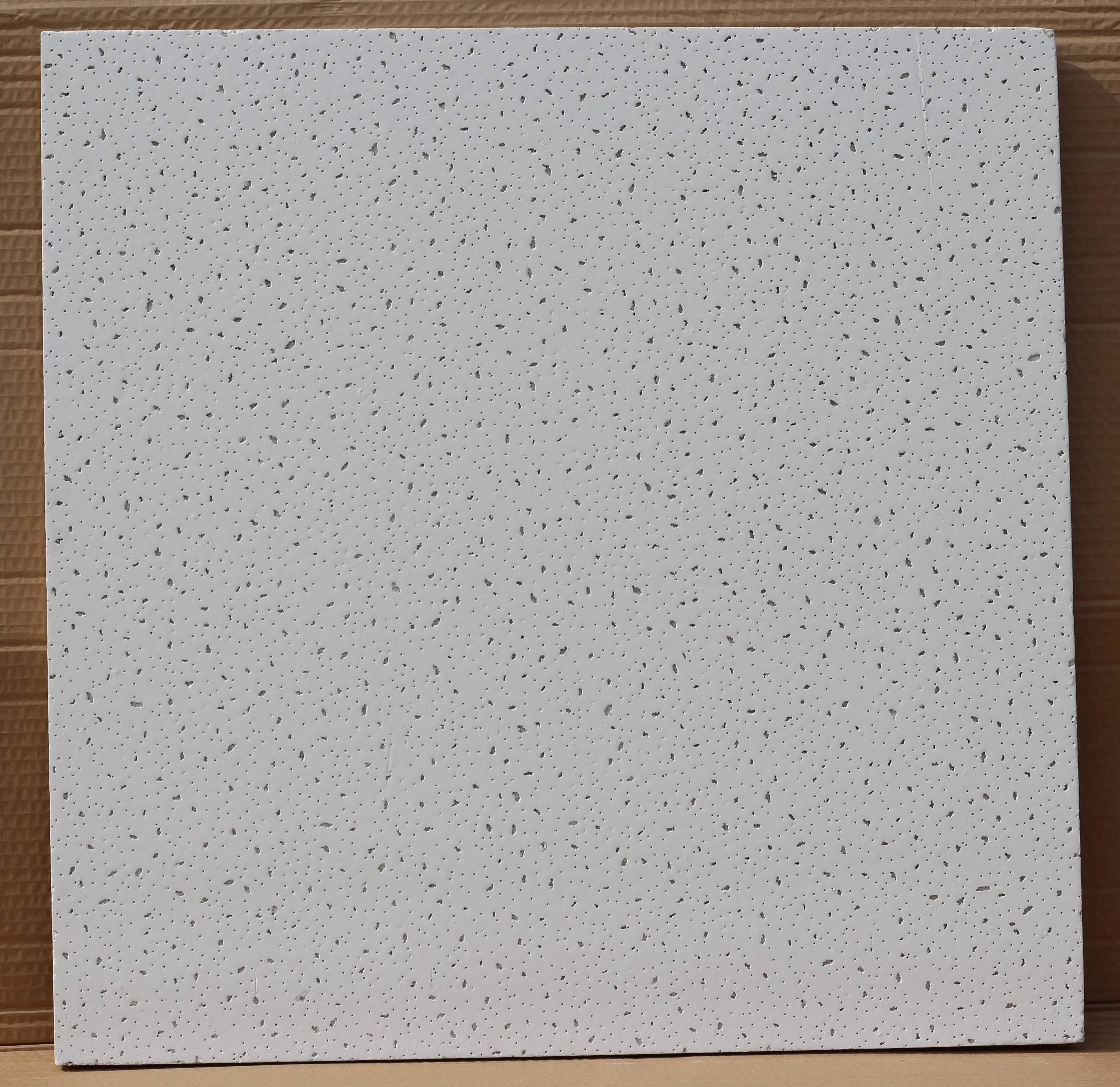
Exceptional Sound Absorption for Modern Interior Spaces
How NRC Ratings Reflect Real-World Performance of Pet Felt Acoustic Panels
The Noise Reduction Coefficient (NRC) is the industry-standard metric for quantifying a material’s sound absorption—rated on a scale from 0.00 (perfect reflection) to 1.00 (complete absorption). An NRC of 0.75, for instance, indicates that the material absorbs 75% of incident sound energy across mid-to-high frequencies, significantly reducing echo and reverberation. Pet felt acoustic panels consistently achieve high NRC values—often between 0.60 and 0.85—thanks to their dense, micro-porous structure, which traps acoustic energy across a broad frequency spectrum. This makes them especially effective against the layered noise profile of modern interiors: sharp high-frequency speech and resonant low-frequency HVAC or equipment hum.
It’s important to recognize that NRC is a laboratory-derived average—not a real-world guarantee. Actual performance depends heavily on installation method and coverage density. Even top-rated pet felt panels will underperform if applied sparsely or flush-mounted without an air gap. Introducing just a 25–50 mm cavity behind wall-mounted panels can markedly improve low-frequency absorption, effectively extending the panel’s functional range beyond its tested NRC. Crucially, sound absorption (measured by NRC) addresses in-room acoustics—clarity, intelligibility, and comfort—whereas sound insulation (measured by STC or RW) prevents sound transmission between spaces. By prioritizing strategic placement—such as targeting first-reflection points and covering 20–30% of reflective surfaces—designers ensure high NRC ratings translate into perceptible acoustic refinement: clearer speech, reduced listener fatigue, and a calmer ambient environment.
Reducing Reverberation in Open-Plan Offices, Classrooms, and Hospitality Interiors
Reverberation—the lingering decay of sound after its source stops—is a defining challenge in hard-surfaced, open interiors. In open-plan offices, excessive reverberation amplifies background noise, eroding concentration and turning phone calls into shared auditory intrusions. In classrooms, prolonged reverberation time (RT) directly impairs speech intelligibility; studies show RT exceeding 0.6 seconds can reduce word recognition by up to 30%, undermining learning outcomes—particularly for younger students and those with auditory processing needs. Pet felt acoustic panels mitigate this by converting sound energy into negligible thermal energy, interrupting the reflective cycle between parallel walls, floors, and ceilings.
The impact extends powerfully into hospitality. In restaurants and lounges, uncontrolled reverberation creates a “cacophony point” where ambient noise rises exponentially, forcing guests to raise their voices—a phenomenon that degrades both social connection and perceived service quality. Strategic use of pet felt panels—whether as ceiling baffles, wall cladding, or column wraps—lowers RT to optimal ranges (typically 0.4–0.8 seconds, depending on room volume and use), restoring natural speech clarity. The result isn’t just quieter spaces—it’s more intimate, engaging environments where subtle acoustic cues—like the gentle chime of glassware or nuanced background music—remain pleasant rather than overwhelming. This acoustic intentionality supports dwell time, guest satisfaction, and repeat visitation, affirming that thoughtful sound design is integral to commercial and hospitality success.
Design-Flexible Aesthetics with Pet Felt Acoustic Panels
Customizable Colors, Textures, and Profiles for Seamless Architectural Integration
Pet felt acoustic panels bridge acoustic performance and architectural expression. Made from spun polyester fibers, they offer over fifty standard colors—from warm greys and earthy beiges to bold accent hues—ensuring alignment with brand palettes or interior narratives. Surface treatments include smooth, ribbed, and deeply textured 3D patterns, adding tactile and visual dimension without sacrificing absorption. Panel profiles extend beyond flat tiles to curved modules, hexagons, and custom-contoured forms, enabling feature walls, sculptural ceiling clouds, or branded installations. Because the material cuts cleanly with standard tools, bespoke shapes—waves, logos, or organic silhouettes—are readily achievable. This versatility eliminates the historic compromise between acoustic function and aesthetic ambition, making pet felt a trusted medium for architects and designers who require both technical precision and expressive flexibility in contemporary spaces.
Versatile Applications: Wall Cladding, Ceiling Baffles, and Freestanding Partitions
Pet felt acoustic panels adapt seamlessly across building elements. As wall cladding, they soften expansive drywall surfaces—especially behind workstations, reception desks, or corridor walls—transforming acoustically harsh zones into quiet, visually cohesive backdrops. Suspended as ceiling baffles or rafts, they absorb overhead reflections, define spatial zones in open layouts, and introduce rhythmic visual interest. Rigid PET felt also serves as the core for freestanding partitions—creating agile, reconfigurable privacy pods, huddle rooms, or meeting nooks without structural modification. Lightweight construction enables simple, tool-free installation using low-VOC adhesives or modular clip systems, and panels can be relocated or replaced as spatial needs evolve. This cross-application consistency allows designers to deploy a unified acoustic strategy across walls, ceilings, and dividers—delivering holistic noise management while reinforcing a coherent, intentional design language throughout commercial, educational, and hospitality interiors.
Sustainable Performance: Eco-Conscious Advantages of Recycled PET Felt
Environmental Impact Reduction Through Post-Consumer PET Content and Low-Energy Production
PET felt acoustic panels deliver high-performance acoustics with demonstrable environmental stewardship. Each square metre incorporates the equivalent of 45–60 post-consumer plastic bottles—diverting waste from landfills and marine ecosystems while conserving virgin resources. Manufacturing recycled PET felt requires approximately 75% less energy than producing virgin polyester or conventional mineral wool substrates, resulting in substantially lower embodied carbon. Its lightweight nature further reduces transportation-related emissions compared to denser alternatives. At end-of-life, the material is fully recyclable through closed-loop PET recycling streams, supporting circularity without downcycling. These combined benefits—waste reduction, energy efficiency, low-carbon logistics, and recyclability—make recycled PET felt a rigorously sustainable choice: one that meets stringent green building criteria (including LEED v4.1 MR credits and Declare Label compliance) while delivering measurable acoustic and aesthetic value.
FAQ
1. What is the Noise Reduction Coefficient (NRC)?
The Noise Reduction Coefficient is a metric used to measure a material's sound absorption capabilities. It ranges from 0.00 (perfect reflection) to 1.00 (complete absorption). High NRC values indicate better sound absorption performance.
2. How do PET felt acoustic panels reduce noise?
PET felt acoustic panels have a dense, micro-porous structure that traps acoustic energy across a wide range of frequencies. This helps to reduce echo, reverberation, and background noise in modern interiors.
3. Can PET felt panels improve low-frequency sound absorption?
Yes, PET felt panels perform better when a cavity of 25–50 mm is introduced behind them, enhancing their low-frequency absorption capabilities.
4. How do these panels help in different settings, such as offices, classrooms, and restaurants?
In offices, they reduce background noise to improve concentration. In classrooms, they enhance speech intelligibility, and in restaurants, they lower the ambient noise to improve social interactions and customer satisfaction.
5. Are PET felt acoustic panels environmentally friendly?
Yes, they are made from recycled PET materials, use less energy during manufacturing, have lower carbon emissions during transportation, and are recyclable. They meet green building criteria such as LEED v4.1 MR credits.