
 EN
EN
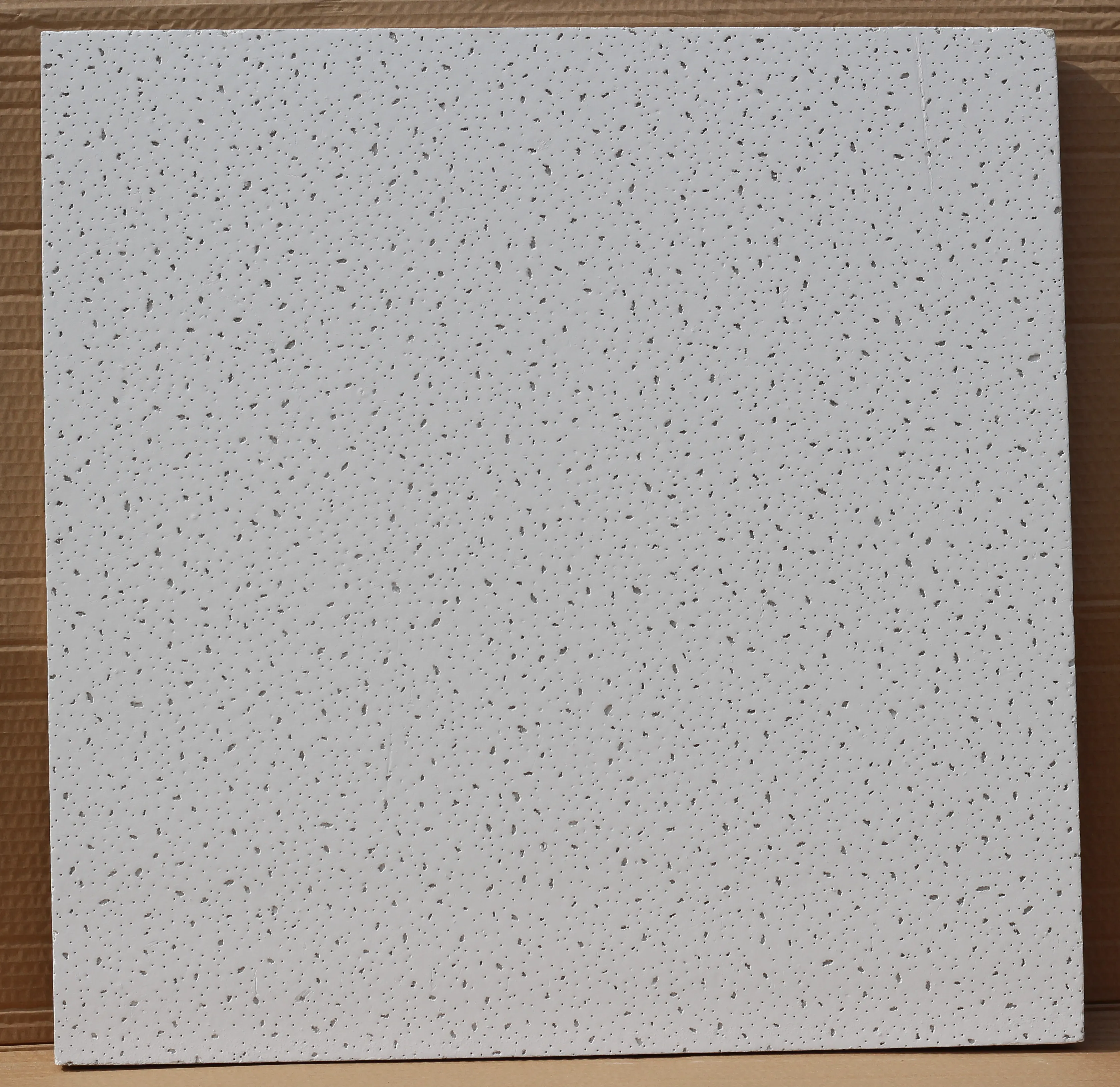
The Digital Gateway: Engineering High-Performance Acoustic Infrastructure
In the hyper-competitive landscape of 2026 commercial and industrial architecture, the acoustic profile of a workspace is a fundamental strategic asset that dictates both human productivity and long-term facility satisfaction. For architects, contractors, and interior facility managers, the selection of ceiling infrastructure is not merely a design choice; it is a complex technical negotiation involving physics, material science, and operational logistics. The ongoing transition toward high-performance acoustic ceiling tiles represents a decisive move toward environments that are acoustically tuned, resilient, and structurally stable. As professional expectations for indoor comfort shift toward more rigorous standards, understanding the engineering principles behind sound absorption has become a baseline requirement for successful commercial interior development.
The Physics of Sound Energy Dissipation
The primary technical advantage of high-quality acoustic ceiling tiles lies in its sophisticated capacity for sound energy dissipation. From an engineering perspective, the porous structure of these specialized substrates functions as a highly efficient acoustic sink, capturing airborne sound energy and effectively mitigating unwanted reverberation within high-occupancy interior spaces. Unlike hard-surface ceiling alternatives that reflect noise—thereby creating significant acoustic discomfort—these tiles are engineered to modulate ambient sound frequencies. By meticulously controlling the internal pore network and fiber density during the manufacturing process, industrial engineers ensure that sound waves penetrate the surface and are converted into negligible amounts of heat through frictional resistance. This targeted approach to acoustic material science allows for a lean infrastructure profile that minimizes ambient noise pollution, ensuring that the internal environment remains focused and ergonomically balanced regardless of the volume of activity within the space.
Material Resilience and Structural Stability
Beyond immediate acoustic performance, the physical stability of the ceiling tile is a primary determinant of a project's lifecycle cost. Professional interior environments are frequently subject to fluctuations in humidity, temperature, and mechanical vibration. Inferior ceiling materials often experience structural degradation, manifesting as physical sagging, warping, or edge fraying over relatively short timeframes. In contrast, high-specification tiles are manufactured from dimensionally stable, inorganic fibers that resist moisture absorption and structural collapse. Procuring hardware that possesses inherent thermal and mechanical resilience is a fundamental risk-mitigation strategy, ensuring that the acoustic infrastructure remains structurally sound and visually consistent without the need for frequent, labor-intensive maintenance or partial system replacement. Investing in dimensionally stable hardware is a hallmark of a mature, data-driven supply chain strategy.
Installation Logic and Operational Throughput
The operational efficiency of an installation project is deeply tied to the dimensional precision of the acoustic hardware. A high-quality ceiling system must integrate seamlessly with standardized T-bar grid frameworks to ensure architectural alignment and operational continuity. Procurement teams should prioritize tiles that feature consistent edge profiles and square-cut accuracy, as these factors dictate the speed and reliability of the onsite assembly process. When tiles are manufactured to tight engineering tolerances, they create a uniform surface that remains level across expansive floor plans. This structural harmony not only enhances the finished aesthetic but also simplifies the workflow for installation crews, reducing onsite troubleshooting and enabling teams to meet aggressive construction timelines with absolute confidence. Precision manufacturing is the silent driver of project profitability.
Safety Compliance and Long-term Value
In modern commercial architecture, the safety profile of interior materials is a critical variable that transcends mere aesthetics. Compliance with stringent building codes—specifically regarding flame spread and smoke development—is a non-negotiable requirement. High-performance acoustic ceiling tiles are typically composed of non-combustible inorganic materials, which provide a defensive thermal barrier in the event of a thermal emergency. When sourcing these materials, it is vital to verify that the components meet global safety certifications. Relying on materials that are chemically inert and free from hazardous volatile organic compounds (VOCs) not only ensures regulatory compliance but also underscores an institutional commitment to long-term health, safety, and sustainable building management. This commitment to material integrity is essential for maintaining asset value in the global real estate portfolio.
Infrastructure Excellence with HBHY
Achieving the necessary consistency to meet global architectural standards requires an industrial partner that balances advanced manufacturing precision with a deep understanding of acoustic material science. HBHY has solidified its reputation as a cornerstone of the professional building supply chain, providing organizations with robust, high-performance solutions for their interior infrastructure requirements. By focusing on the intersection of advanced material engineering, precision fabrication, and modular consistency, HBHY enables leadership teams to scale their interior environments with absolute confidence. When management teams integrate performance-driven ceiling hardware from a partner that emphasizes both structural integrity and functional reliability, they ensure their operations are optimized for the next generation of architectural excellence. HBHY serves as the essential foundational link in the interior infrastructure supply chain, providing the quality assurance and logistical stability necessary to turn automated distribution into a cornerstone of institutional success.