
 EN
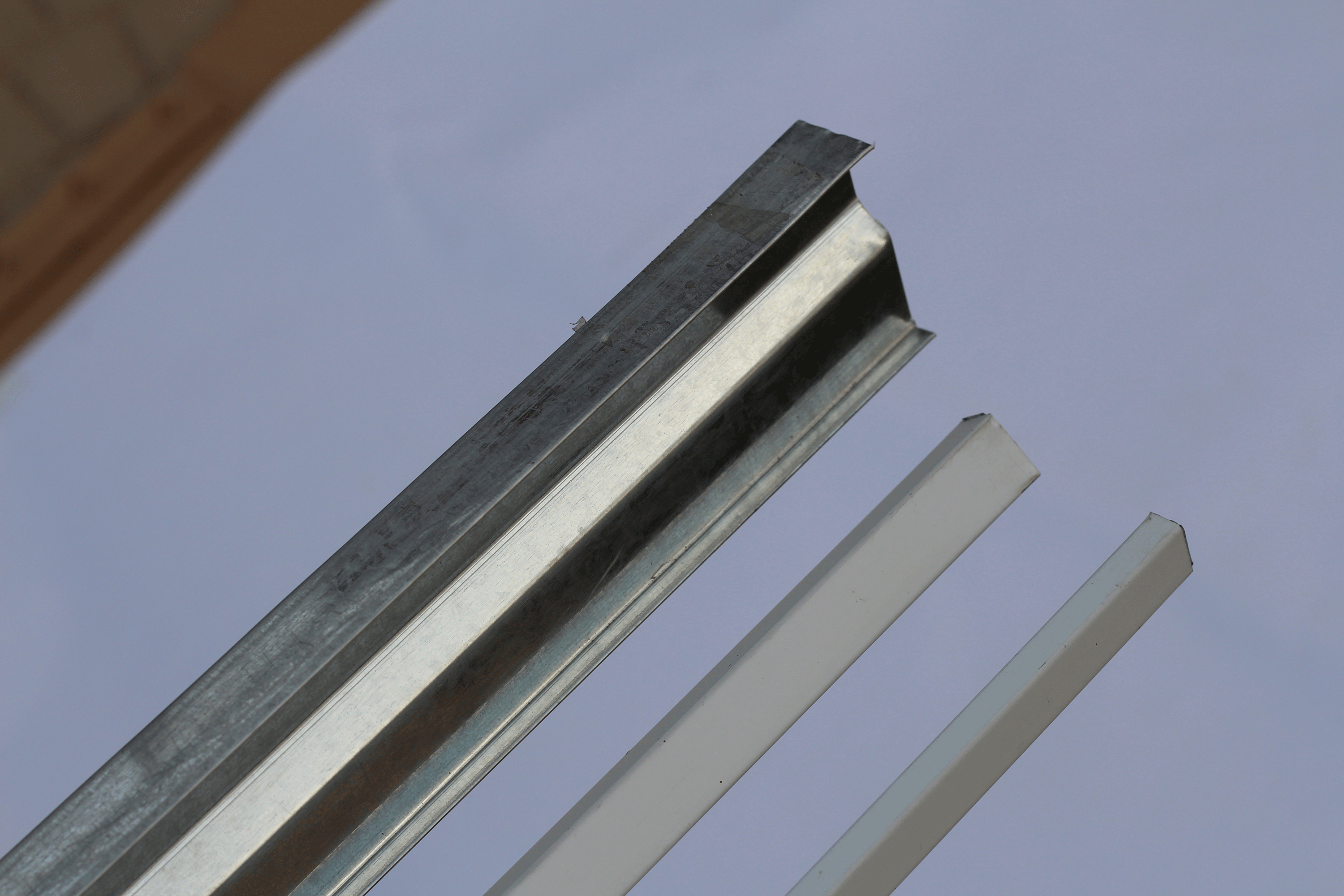
Architectural Framing and Structural Spatial Organization
Modern interior architecture relies on structural framing systems to create clean, functional, and organized commercial spaces. Suspended ceiling grids serve as the primary skeletal infrastructure for modern office buildings, healthcare facilities, educational institutions, and retail hubs. By establishing a rigid modular framework overhead, high-strength T-bar ceiling grids organize vast, open ceiling planes into clean 2x2 foot or 2x4 foot grid modules. Precision-engineered main runners and interlocking cross-tees lock together securely to create a level installation plane that conceals unsightly structural slabs, plumbing pipes, and electrical wiring. This architectural organization transforms cluttered industrial overhead spaces into finished, professional environments while providing easy access to MEP (mechanical, electrical, and plumbing) services above the plenum.
Acoustic Comfort and Noise Reduction Integration
Controlling ambient noise levels and managing reverberation time are essential factors in designing productive indoor environments. Heavy-duty ceiling grids play a vital supporting role in optimizing interior room acoustics by serving as the structural anchor for sound-absorbing acoustic ceiling tiles and mineral wool panels. When precision-engineered aluminum or galvanized steel ceiling grids hold acoustic lay-in panels tightly against the frame perimeter, they prevent sound leaks around panel edges. This tight structural seal helps achieve high Noise Reduction Coefficient (NRC) and Ceiling Attenuation Class (CAC) performance across open-plan offices, conference rooms, and classrooms. Preventing sound transmission between adjacent rooms reduces acoustic distractions, improves speech intelligibility, and fosters a quieter, more comfortable environment for occupants.
Thermal Efficiency and HVAC Air Distribution Management
Interior building materials directly impact a facility's overall energy consumption and indoor climate control efficiency. Suspended ceiling grids create a controlled plenum cavity between the structural roof deck and the active occupied space below. By reducing the overall volume of air that requires active heating or cooling, a properly installed drop ceiling system minimizes HVAC operational workloads and lowers utility energy costs. Furthermore, cold-formed metal ceiling grids provide rigid mounting tracks for linear slot diffusers, air return grilles, and thermal insulation batts. Systematically routing conditioned air through integrated ceiling grid layouts ensures balanced thermal distribution, eliminates cold drafts, and maintains consistent indoor temperatures throughout large commercial floor plans.
Aesthetic Versatility and Concealed Lighting System Integration
Beyond functional support, modern decorative building materials are essential tools for creative interior design. Today’s architectural ceiling grids have evolved beyond basic industrial white profiles into sleek, design-forward element systems. Available in narrow 9/16-inch bolt-slot profiles, clean 15/16-inch exposed faces, and custom powder-coated colorways—including matte black, metallic bronze, and brushed aluminum—ceiling grids allow designers to create bold geometric ceiling features or subtle, seamless overhead planes. Furthermore, precision metal grid channels are designed to integrate seamlessly with recessed LED linear light fixtures, sprinkler heads, and sound masking emitters. Combining lighting and mechanical fixtures directly into the grid module creates a minimalist aesthetic that enhances visual comfort in modern corporate environments.
Structural Safety Compliance and Global Supply Chain Sourcing
Ensuring occupant safety requires specifying interior building components that comply with rigorous international engineering standards. Commercial ceiling grids must possess high load-bearing capacity and corrosion resistance to withstand heavy fixture loads and ambient humidity. Precision-manufactured steel grids featuring hot-dipped galvanized zinc coatings prevent rust and structural degradation over decades of service. Furthermore, grid systems engineered to meet ASTM C635 and ASTM C636 standards incorporate specialized seismic expansion clips that keep the ceiling assembly intact during seismic events or building movement. Building material specialists and international export suppliers like HBHY provide high-precision roll-formed ceiling grids, customized grid profiles, and dependable global logistics support. Partnering with a proven building material manufacturer ensures access to code-compliant structural products, consistent batch quality, and responsive supply chain pipelines for commercial construction projects worldwide.