
 EN
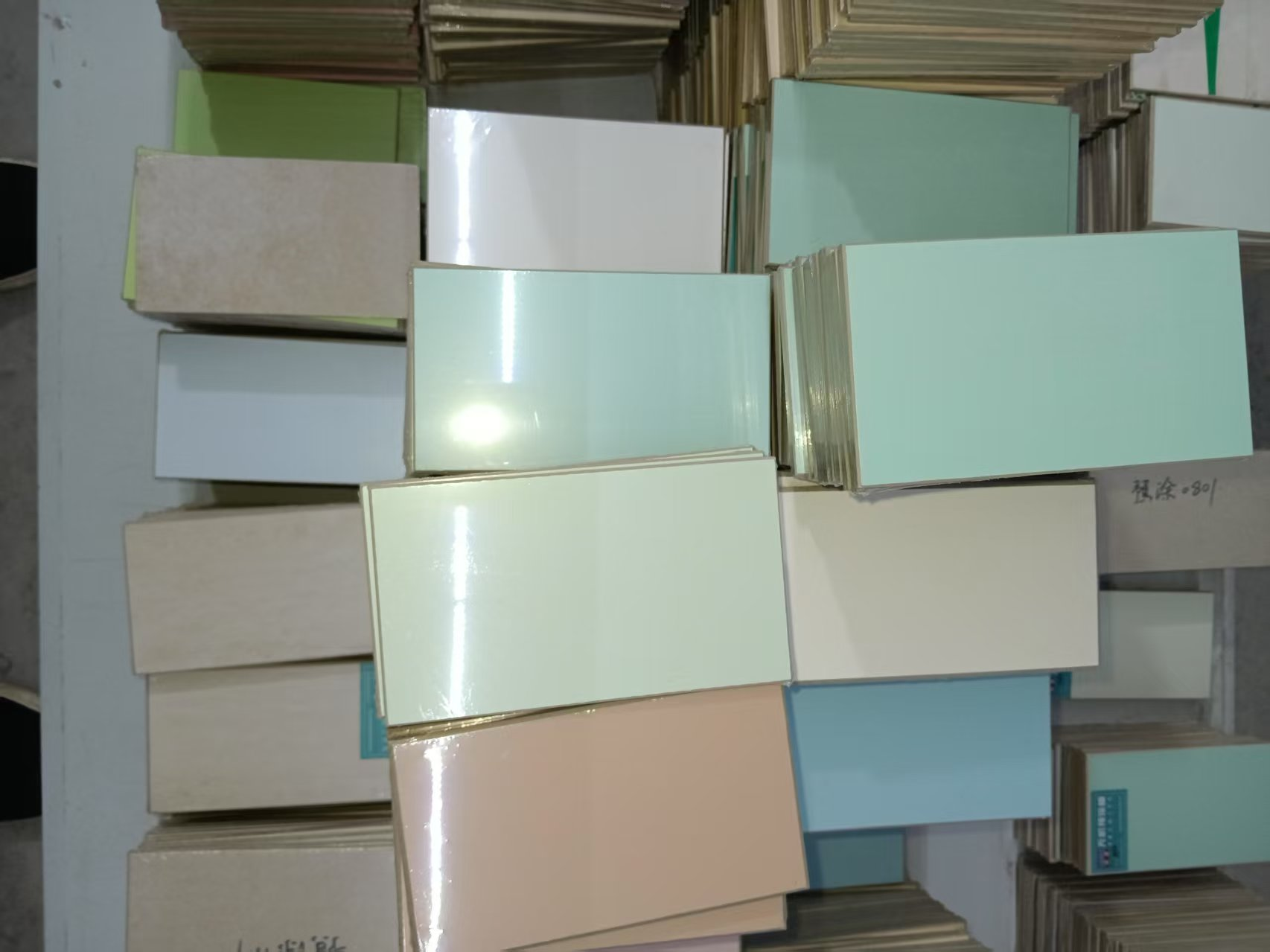
Aesthetic Versatility: Design-Forward Applications of Pet Felt Acoustic Panels
PET felt acoustic panels have redefined their role—from mere sound absorbers to essential elements of contemporary design. Their material flexibility enables a wide spectrum of creative applications that seamlessly merge visual appeal with acoustic performance, making them a favorite among architects and interior designers.
Custom Color Palettes, Textures, and Digital Printing for Seamless Style Integration
PET felt acoustic panels offer exceptional visual customization: thousands of stock colors, bespoke dyeing for brand alignment, and surface textures ranging from ultra-smooth to deeply fibrous—enabling everything from industrial rawness to tactile warmth. Digital printing adds another layer of expressive potential: high-resolution patterns, artwork, or photorealistic imagery can be applied directly to the panel surface without degrading acoustic performance. This precision supports intentional integration—whether as a subtle backdrop or a bold feature wall. A healthcare facility might use serene landscape prints to foster calm; a tech startup could embed its logo into ceiling baffles, reinforcing identity while managing noise. With consistent color fidelity, textural nuance, and graphic versatility, these panels become a natural extension of the interior’s visual narrative.
Sculptural Forms—Perforation, Layering, and Embossing for Dimensional Impact
Beyond flat planes, PET felt panels lend themselves to sculptural expression. Perforation introduces rhythmic light-and-shadow play across walls or ceilings. Layering—stacking or offsetting cut panels—creates dynamic, multi-dimensional reliefs. Embossing adds tactile, light-responsive motifs, from geometric precision to organic flow. These treatments not only elevate aesthetic impact but also increase effective sound-absorbing surface area, enhancing acoustic performance without added bulk. Their lightweight nature makes suspended ceiling clouds, cascading wall modules, or intricate 3D installations structurally feasible and installation-efficient. A hotel lobby, for example, might feature layered, ombré-dyed petal forms—simultaneously reducing echo and serving as an immersive, Instagram-worthy focal point. In this way, acoustic treatment becomes inseparable from architectural identity.
Sustainable Sophistication: Eco-Credentials That Elevate Modern Interiors
Recycled PET Content, Low-VOC Performance, and Circular Lifecycle Advantages
PET felt acoustic panels transform post-consumer plastic waste into high-performance interior surfaces—each standard panel incorporating the equivalent of over 50 recycled PET bottles, with top-tier manufacturers now achieving up to 70% recycled content. This closed-loop approach diverts thousands of tons of plastic from landfills annually. Critically, off-gassing is negligible: most panels carry GREENGUARD Gold or CDPH Standard Method v1.2 certification—verifying VOC emissions well below the strictest indoor air quality thresholds. End-of-life circularity is built in: spent panels can be shredded and thermally re-bonded into new material without acoustic degradation. No synthetic binders or adhesives are required—just clean, thermal processing—making pet felt a rare example of sustainability that delivers across resource efficiency, occupant health, and long-term material stewardship.
Support for LEED v4.1 and WELL Building Standard Requirements
A single, well-specified PET felt panel advances multiple green building credits. For LEED v4.1, published Environmental Product Declarations (EPDs) support Building Product Disclosure and Optimization, third-party–verified recycled content satisfies Sourcing of Raw Materials, and low-emitting performance contributes to Low-Emitting Materials. On the WELL side, VOC-tested panels fulfill the VOC Reduction feature, while full ingredient disclosure aligns with Material Transparency. No add-ons or parallel testing are needed—just one data-rich specification that maps efficiently across both frameworks. This dual-system compatibility makes pet felt a quietly powerful tool for teams pursuing certification without diluting design intent.
Acoustic Excellence Meets Decorative Intent in Contemporary Spaces
The outdated trade-off—design or acoustics—is obsolete. Modern decorative acoustic panels unify high-performance sound absorption with expressive visual design. The key metric remains the Noise Reduction Coefficient (NRC): a panel rated NRC 0.85 absorbs 85% of incident mid-to-high-frequency sound, significantly reducing reverberation and improving speech clarity. Crucially, this performance no longer demands utilitarian aesthetics. Advances in material science enable functional separation: the core’s dense, porous matrix handles sound energy dissipation, while the surface layer carries decorative intent—be it digitally printed art, refined texture, or sculptural form. This decoupling unlocks broad stylistic latitude. A single panel system can appear as a vibrant feature wall, a minimalist neutral plane, or a three-dimensional architectural element—allowing acoustic solutions to function as intentional, integrated design features rather than concealed compromises.
Real-World Implementation: Residential, Office, and Hospitality Use Cases for Pet Felt Acoustic Panels
PET felt acoustic panels deliver functional sound control and modern design in spaces where durability, style, and acoustic comfort converge. Their effectiveness against mid-to-high-frequency reflections makes them ideal for hard-surfaced environments where reverberation escalates—without sacrificing visual cohesion or tactile quality.
Residential Living Spaces: Warmth, Quiet, and Visual Cohesion
In open-plan living areas and home theaters, PET felt panels soften harsh echoes while adding warmth and depth—replacing clinical acoustics with residential refinement. Available across wide shade ranges—from earthy neutrals to bold accent tones—they integrate effortlessly with Scandinavian minimalism, biophilic palettes, or industrial schemes. Installation options include full-wall coverage or targeted features behind media consoles and reading nooks. Resistant to impact and daily wear, they retain appearance and performance over time. The result is quieter, more connected living spaces—calm, intentional, and entirely cohesive.
Commercial Environments: Brand-Aligned Sound Control in Offices and Lounges
In offices, hotel lobbies, and co-working lounges, PET felt panels reduce distraction and improve speech intelligibility while advancing brand expression. Custom-cut shapes, embossed logos, or digitally printed graphics turn acoustic surfaces into branded assets. In open-plan workplaces, strategic placement along collaboration zones, phone booths, or ceilings cuts reverberation by up to 40%, per industry field studies. Hospitality venues deploy them behind reception desks and in dining areas—taming lively chatter without compromising ambiance. Lightweight construction and concealed mounting systems enable rapid, non-disruptive retrofits. The outcome is a polished, unified environment where every surface contributes meaningfully to both comfort and professional presence.
Frequently Asked Questions (FAQs)
What are PET felt acoustic panels made of?
PET felt acoustic panels are primarily made from recycled PET plastic, often sourced from post-consumer waste such as plastic bottles.
How do PET felt acoustic panels contribute to sustainability?
These panels incorporate up to 70% recycled content, reduce plastic landfill waste, and offer circular lifecycle benefits through thermal re-bonding without acoustic degradation.
Do PET felt panels affect indoor air quality?
No, most panels meet stringent VOC emissions standards like GREENGUARD Gold certification, ensuring negligible off-gassing.
Can these panels be customized for specific designs?
Yes, PET felt panels offer extensive customization options, including bespoke colors, textures, digital printing, perforation, layering, and embossing.
Are PET felt acoustic panels compatible with green building certifications?
Absolutely, they support LEED v4.1 and WELL Building Standard requirements, advancing multiple credits like low-emissions materials and material transparency.
Where are these panels commonly used?
PET felt acoustic panels are used in residential living spaces, commercial offices, hotel lobbies, and co-working venues for sound absorption and decorative intent.
Table of Contents
- Aesthetic Versatility: Design-Forward Applications of Pet Felt Acoustic Panels
- Sustainable Sophistication: Eco-Credentials That Elevate Modern Interiors
- Acoustic Excellence Meets Decorative Intent in Contemporary Spaces
- Real-World Implementation: Residential, Office, and Hospitality Use Cases for Pet Felt Acoustic Panels
-
Frequently Asked Questions (FAQs)
- What are PET felt acoustic panels made of?
- How do PET felt acoustic panels contribute to sustainability?
- Do PET felt panels affect indoor air quality?
- Can these panels be customized for specific designs?
- Are PET felt acoustic panels compatible with green building certifications?
- Where are these panels commonly used?