
 EN
EN
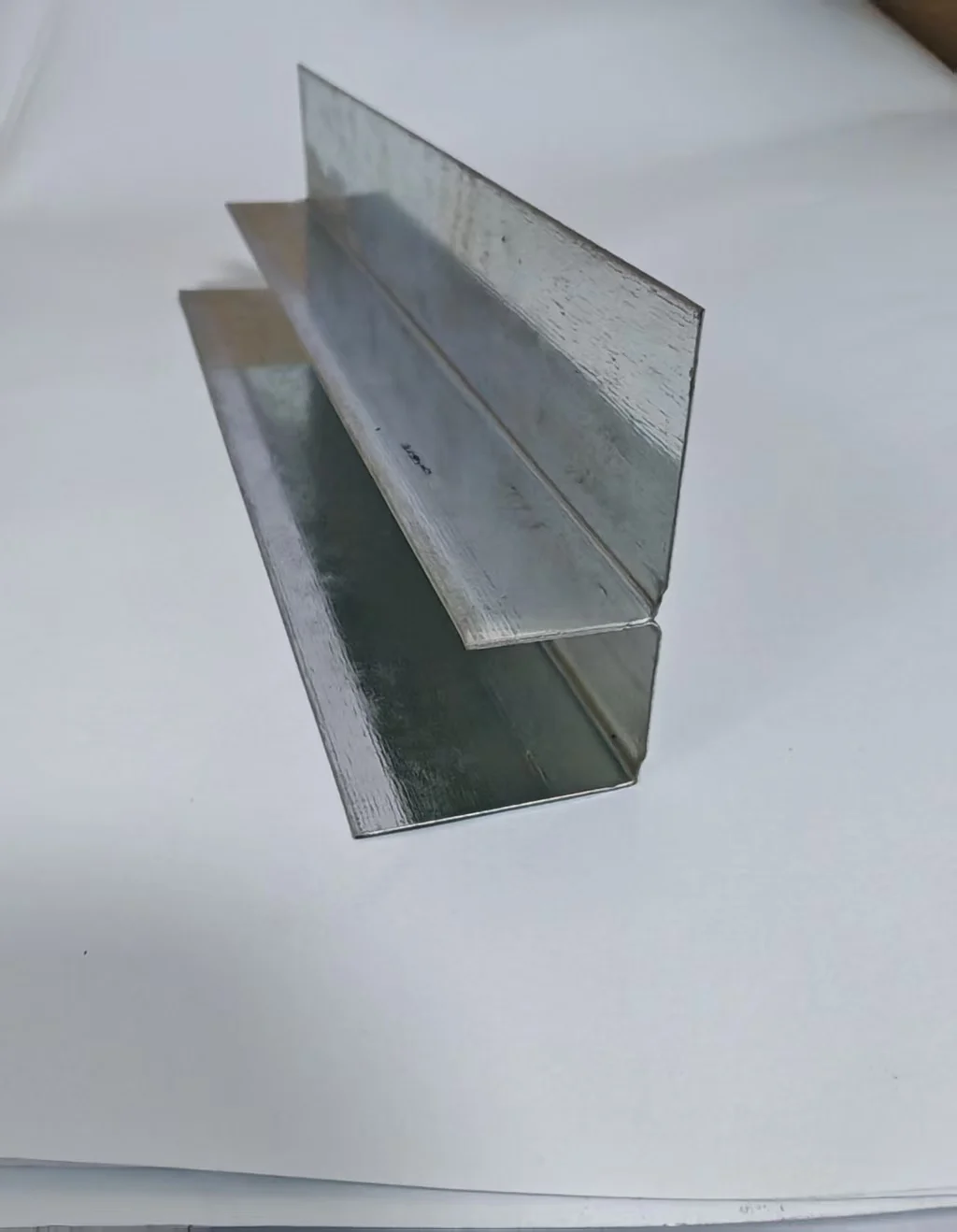
What Is a PVC Gypsum Ceiling Tile?
Core Composition and Manufacturing Process
A PVC gypsum ceiling tile features a high-density gypsum core—engineered for structural rigidity and inherent fire resistance—faced with fiberglass or paper matting and laminated on the visible side with a thin, decorative polyvinyl chloride (PVC) film. An optional aluminum foil backing on the reverse enhances thermal insulation and acts as a secondary moisture barrier. During production, raw gypsum is blended with performance additives, formed into boards via continuous casting, cut to precise dimensions, and bonded to the PVC film under high-pressure lamination. The result is a lightweight, prefinished panel that merges the fire safety and acoustic benefits of gypsum with the non-porous, hygienic, and wipeable surface of PVC—available in diverse colors, textures, and patterns.
How It Differs from Standard Gypsum or Pure PVC Ceilings
Standard gypsum ceiling tiles lack surface protection: their porous finish absorbs moisture, stains easily, and degrades in humid conditions—requiring frequent repainting and limiting use to dry, low-traffic spaces. Pure PVC panels offer full waterproofing and cleanability but lack dimensional stability and fire performance without a rigid substrate; they’re prone to thermal sag and typically fail stringent flame-spread requirements. In contrast, PVC gypsum ceiling tiles unify these strengths: the gypsum core delivers Class A fire resistance (per ASTM E84), sound absorption, and mechanical stability, while the factory-applied PVC film creates a seamless, mold-resistant, and easily sanitized surface. The optional aluminum foil backing adds thermal reflectivity—making this hybrid solution uniquely suited for demanding commercial environments where neither material alone would suffice.
Key Advantages of PVC Gypsum Ceiling Tile for Commercial Projects
Moisture Resistance and Mold Prevention
The factory-applied PVC laminate forms a continuous, non-porous barrier that prevents ambient moisture from penetrating the gypsum core—the primary cause of sagging, delamination, and microbial growth. This makes PVC gypsum tiles especially effective in high-humidity areas such as indoor aquatic facilities, commercial kitchens, and healthcare wet zones. Independent testing shows properly installed PVC-faced tiles reduce mold-related failures by up to 90% compared to standard gypsum board, directly supporting infection control and long-term ceiling integrity in hygiene-critical settings.
Fire Retardancy and Compliance with Building Codes
The gypsum core’s chemically bound water releases steam when exposed to heat—a proven passive fire-resistance mechanism that slows flame spread and limits temperature rise. When combined with a fire-retardant PVC formulation, the tile achieves a Class A flame-spread rating per ASTM E84, satisfying code requirements for corridors, stairwells, egress paths, and other life-safety zones. This dual-layer fire protection is not achievable with pure PVC panels and exceeds the performance of uncoated gypsum, making it a trusted choice for commercial projects governed by strict fire safety mandates.
Dimensional Stability and Low Maintenance Requirements
Thanks to the rigid gypsum substrate and stabilizing PVC face, these tiles resist shrinkage, expansion, and sagging—even under sustained thermal or humidity fluctuations. Once installed, they require no painting, sealing, or special cleaning agents: routine wiping with a damp cloth suffices. Over a typical 15-year service life, this translates to significantly reduced labor, downtime, and lifecycle costs—particularly valuable in high-traffic public buildings where ceiling access disrupts operations and aesthetics.
Common Applications and Ideal Environments for PVC Gypsum Ceiling Tile
Healthcare Facilities, Laboratories, and Cleanrooms
PVC gypsum ceiling tiles are widely specified in operating rooms, isolation units, labs, and ISO-classified cleanrooms due to their smooth, non-porous surface—proven to inhibit microbial adhesion and withstand frequent disinfection protocols. Their moisture resistance helps maintain dry, sterile ceiling plenums, supporting compliance with CDC, WHO, and local infection control guidelines. When paired with appropriate joint sealants and grid systems, they contribute to holistic environmental control strategies in critical care environments.
Educational Institutions and Public Buildings
In schools, universities, and civic centers, these tiles deliver balanced acoustic performance—reducing reverberation in cafeterias, libraries, and lecture halls—while meeting mandatory fire codes. Their durable, stain-resistant finish withstands graffiti, scuffing, and incidental impact, and installation during short academic breaks minimizes operational disruption. Long-term dimensional stability ensures consistent alignment and visual continuity across large ceiling planes—even in high-traffic corridors subject to vibration and seasonal humidity swings.
Installation Guidelines and Compatibility Considerations
Drop Ceiling Grid Compatibility and Weight Requirements
PVC gypsum ceiling tiles are engineered for compatibility with standard 15/16″ and 9/16″ T-bar suspension systems. With a typical weight of 2.5–3.5 kg/m², they impose lower dead load than mineral fiber alternatives—yet installers must still verify grid load capacity per ASTM C635 or applicable local codes. In seismic zones, independent structural anchoring of the grid is essential, and tile edges must fully engage the grid’s bearing surface to prevent creep or misalignment over time.
Cutting, Handling, and Joint Finishing Tips
Use a fine-tooth panel saw or sharp utility knife for clean cuts—always support the tile face-up to avoid chipping the PVC layer. Wear clean gloves during handling to prevent smudges or oils from compromising the finish. For edge-to-edge installations, apply a flexible, paintable, mold-inhibiting sealant at joints to preserve moisture resistance and achieve a monolithic appearance; lightly sand cured excess for seamless integration.
Selecting the Right PVC Gypsum Ceiling Tile Supplier
Choose a supplier based on verified performance—not just price. Confirm the manufacturer holds third-party certifications for fire (e.g., ASTM E84, EN 13501-1) and moisture resistance, and request full test reports aligned with your project’s jurisdiction and use case. Evaluate physical samples for dimensional consistency, surface uniformity, and edge quality—and inspect packaging for robust corner protection to prevent transit damage. Prioritize manufacturers with in-house production, as they offer superior batch-to-batch traceability, tighter quality control, and responsiveness to custom requests (e.g., thickness, grid compatibility, or acoustic tuning). Engage them early in design to ensure specifications match performance goals—avoiding late-stage substitutions that compromise safety, aesthetics, or budget. Also assess lead times, MOQ flexibility, warranty terms (minimum 10-year material warranty recommended), and technical support availability—all critical factors influencing total cost of ownership and long-term building performance.
Frequently Asked Questions (FAQ)
What is the primary material used in PVC gypsum ceiling tiles?
The primary material is a high-density gypsum core, laminated on the visible side with a decorative PVC film for enhanced durability and aesthetics.
How are PVC gypsum ceiling tiles different from standard gypsum tiles?
Unlike standard tiles that lack surface protection and absorb moisture, PVC gypsum tiles provide a non-porous, wipeable surface that resists sagging, mold, and stains. They also offer better fire resistance and dimensional stability.
Are PVC gypsum tiles suitable for high-humidity areas?
Yes, the factory-applied PVC laminate creates a moisture-resistant barrier, making them ideal for areas like healthcare wet zones, kitchens, and aquatic facilities.
What kind of fire resistance do PVC gypsum tiles provide?
They achieve a Class A flame-spread rating per ASTM E84 due to the gypsum core’s passive fire-resistance properties combined with fire-retardant PVC.
Can PVC gypsum tiles be used in seismic zones?
Yes, but it’s essential to use independent structural anchoring for grids and verify tile edges fully engage bearing surfaces to ensure stability.
Table of Contents
- What Is a PVC Gypsum Ceiling Tile?
- Key Advantages of PVC Gypsum Ceiling Tile for Commercial Projects
- Common Applications and Ideal Environments for PVC Gypsum Ceiling Tile
- Installation Guidelines and Compatibility Considerations
- Selecting the Right PVC Gypsum Ceiling Tile Supplier
- Frequently Asked Questions (FAQ)