
 EN
EN
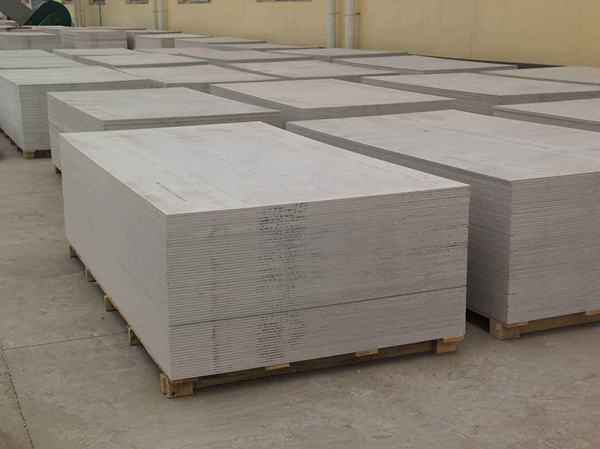
Clarifying 'Fireproof' vs. Fire-Resistant: Why Terminology Matters for Fireproof Cement Board
Debunking the 'Fireproof' Myth: How Building Codes Define Non-Combustibility (ASTM E136, EN 13501-1)
Building materials aren't really fireproof, something specifiers and code officials need to remember. Cement boards marketed as "fireproof" actually meet non-combustibility standards set by organizations like ASTM and EN. These standards test how materials react when subjected to intense heat. Specifically, they check if materials catch fire or release excessive heat after being exposed to around 750 degrees Celsius for twenty minutes straight. Passing these tests means the material won't feed a fire but just slows down its spread. Using the term "fireproof" incorrectly can lead to problems down the road since building codes specifically require proven non-combustible materials in areas where fires could be deadly, including emergency exits, elevator shafts, and load-bearing structures throughout buildings.
Understanding UL-Classified Assemblies: Why Fireproof Cement Board Alone Isn’t Enough—It’s the System That Earns the Rating
Fire resistance ratings only work when looking at complete systems, not just single materials by themselves. When talking about walls or floors that have been classified by UL standards, everything counts from the fire resistant cement boards used right down to how those joints are treated and what kind of screws hold it all together (they need to be corrosion resistant and placed every 8 inches). These assemblies must go through rigorous testing in actual furnaces according to either ASTM E119 or UL 263 standards. Take the 1 hour rating as an example. The whole system needs to maintain its shape, keep heat contained, and still support weight during testing. Even tiny mistakes matter though. Something as simple as leaving a gap bigger than 1/8 inch or using the wrong type of substrate can completely invalidate the rating. Builders should remember that these ratings consider factors we see in real buildings too, including things like materials expanding when heated, vibrations from daily use, and how structures naturally shift over time. This makes sure people stay safe even outside controlled lab environments.
Top Decorative Applications of Fireproof Cement Board Where Safety Meets Design Intent
Fireplace Surrounds & Hearth Extensions: Achieving Code-Compliant Clearances Without Sacrificing Modern Aesthetics
Fireproof cement boards solve a big headache for designers working on fireplace installations. According to the International Building Code (IBC), there needs to be non-combustible space of between 6 and 36 inches around fireboxes. Regular drywall simply won't work here because it can't handle those requirements. What makes these boards special is their ability to stay strong even at temperatures over 1,000 degrees Fahrenheit. This means designers can go ahead and apply fancy finishes such as big porcelain tiles, thin brick facades, or metal coverings while still meeting all safety standards. Another great thing about them is they don't warp after going through multiple heating cycles, so the grout lines between tiles stay nice and tight over time. Many architects have noticed that plans get approved around 40% quicker when using these boards for contemporary linear fireplaces. The reason? They hide seams well, have clean lines, and blend right into surrounding areas without looking out of place.
Kitchen Backsplashes and Wet-Area Walls: Leveraging Dual Performance—Fire Resistance + Moisture Durability
Fireproof cement board is becoming a go-to choice in commercial kitchens as well as upscale home construction projects, especially when installed behind stoves and in areas prone to moisture. The reason goes beyond simple fire protection though. These boards have what we might call a double threat quality. At their heart lies calcium silicate which meets those important standards for non combustion (ASTM E136) and mold resistance (ASTM D3273). Tests show they absorb less than half a percent water even after sitting submerged for three whole days, way better than regular moisture resistant drywall can manage. What this means practically is that installers can run these boards continuously from range tops right down to sink areas without needing different materials at transition points, something that often becomes a problem spot over time. Pair them with glass tiles or stainless steel surfaces and suddenly the whole space gets this seamless look that's not only beautiful but super practical too. Grease fires? Steam? Long term humidity issues? Not really a concern here, all while keeping that cohesive design throughout the space.
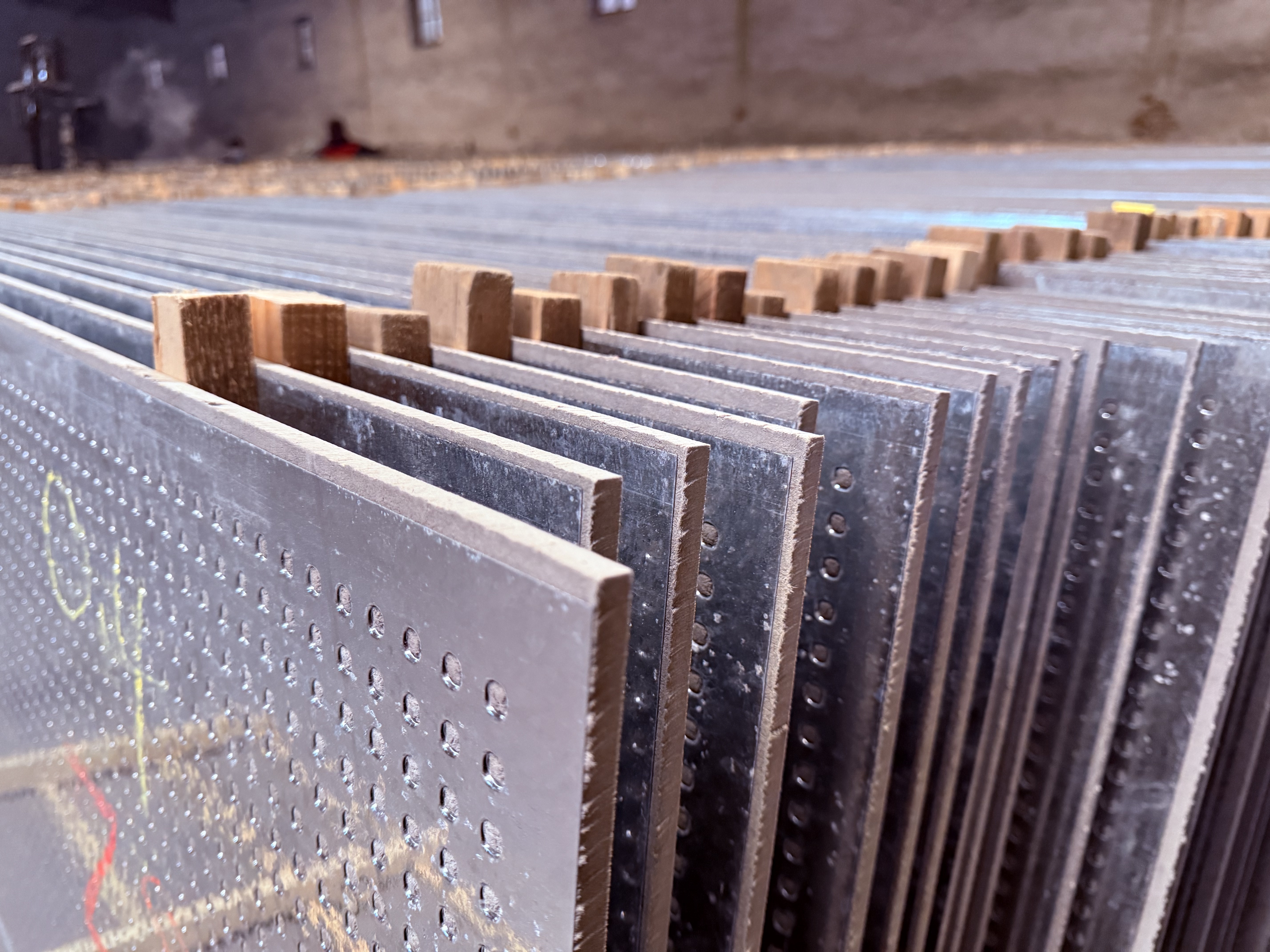
Installation Best Practices That Preserve Fire Performance in Real-World Decoration
Critical Details: Joint Treatment, Fastener Type/Spacing, and Penetration Sealing for Continuous Fire-Rated Assemblies
Fire performance in real world applications really hinges on getting three key installation aspects right. For starters, panel joints need proper reinforcement using fire rated mesh tape along with sealing them up properly with UL listed joint compound. We've seen test results showing untreated seams can cut fire resistance down by almost half in standard tests. Next up, the fasteners matter too. They should be corrosion resistant screws spaced around 6 to 8 inches apart according to ASTM C1289 standards. This spacing helps keep the boards stuck together even when temperatures rise and structures shift. And don't forget about those penetrations through walls for things like electrical wiring, pipes, or heating systems. These spots absolutely require proper firestop materials like putty, collars, or expanding sealants to keep the fire barrier continuous. Looking at industry reports, about seven out of ten fire barrier problems in the field come back to mistakes in these very areas. So these aren't just nice to have improvements but essential elements needed for meeting building codes and keeping people safe.
Selecting and Specifying Fireproof Cement Board for B2B Projects: Key Criteria Beyond the Label
Specifying fireproof cement board for commercial work requires looking past the marketing hype and checking actual performance through independent testing. Make sure the product meets standards like ASTM E136 or EN 13501-1 for non combustion properties. However keep in mind these tests look at individual components alone, not how they perform together in real installations. Kitchens and other damp areas need special attention. Look for boards that have been tested for minimal water uptake below 0.5% and also work well within fire rated systems as seen in ASTM E119 evaluations. What works best depends heavily on what each project faces daily. Thermal changes over time, possible impacts during installation, and weight loads all factor into choosing the right board thickness, material density, and edge design for the job at hand.
When it comes to making sure aesthetics work well together, there's no shortcut around proper testing. Try out sample boards with different finishes because certain materials take stains, textures, and coatings differently without messing up their fire resistance properties. Check how these materials interact with surrounding elements like framing, insulation, and cladding too. The manufacturers usually provide technical specs for this reason since bad connections between components often lead to failed fire tests. And don't forget those third party certifications that back up all the performance claims in the product literature. These documents aren't just nice to have they're essential both for meeting building codes and protecting against potential legal issues down the road.
| Selection Priority | Technical Validation | Compliance Impact |
|---|---|---|
| Moisture-Fire Synergy | Water absorption tests + ASTM E119 assembly ratings | Prevents material failure in humid environments |
| Structural Integration | Load-bearing capacity reports | Ensures longevity under stress |
| Finish Compatibility | Adhesion test certificates | Maintains fire rating post-decoration |
FAQ
Are fireproof cement boards truly fireproof?
No, although often marketed as "fireproof," cement boards are essentially fire-resistant, conforming to non-combustibility standards that ensure they do not ignite or release excess heat when exposed to high temperatures.
What role do UL-Classified assemblies play in fire resistance?
UL-classified assemblies ensure complete fire-resistant systems, integrating everything from cement boards to joint treatments and fasteners, tested under specific standards to provide effective fire resistance.
Can fireproof cement boards be used aesthetically in spaces like fireplaces and kitchens?
Yes, fireproof cement boards can be used in aesthetic applications such as fireplaces and kitchens, offering fire resistance and moisture durability while supporting various finishes and designs.
Table of Contents
- Clarifying 'Fireproof' vs. Fire-Resistant: Why Terminology Matters for Fireproof Cement Board
- Top Decorative Applications of Fireproof Cement Board Where Safety Meets Design Intent
- Installation Best Practices That Preserve Fire Performance in Real-World Decoration
- Selecting and Specifying Fireproof Cement Board for B2B Projects: Key Criteria Beyond the Label
- FAQ