
 EN
EN
Health Risks of Conventional Interior Materials—Especially Polyester Fiber Acoustic Panels
How VOC Emissions from Synthetic Materials Degrade Indoor Air Quality and Cognitive Function
The VOCs coming off synthetic carpets, vinyl floors, and foam insulation are quietly messing with our indoor air quality without anyone really noticing. These compounds just start evaporating at normal room temps, and studies show they build up inside buildings at levels about 2 to 5 times what we find outside according to the EPA report from last year. People exposed to them often get headaches, irritated eyes, and feel super tired. But there's something worse happening over time too. Memory problems pop up, along with trouble making decisions and keeping track of stuff. We've actually seen this play out in offices where workers dealing with high VOC levels perform significantly worse when it comes to solving complex problems or handling emergencies. The connection between what materials we use and how our brains work is pretty clear now.
Polyester Fiber Acoustic Panel Off-Gassing: Hidden Sources of Respiratory Stress in Offices and Schools
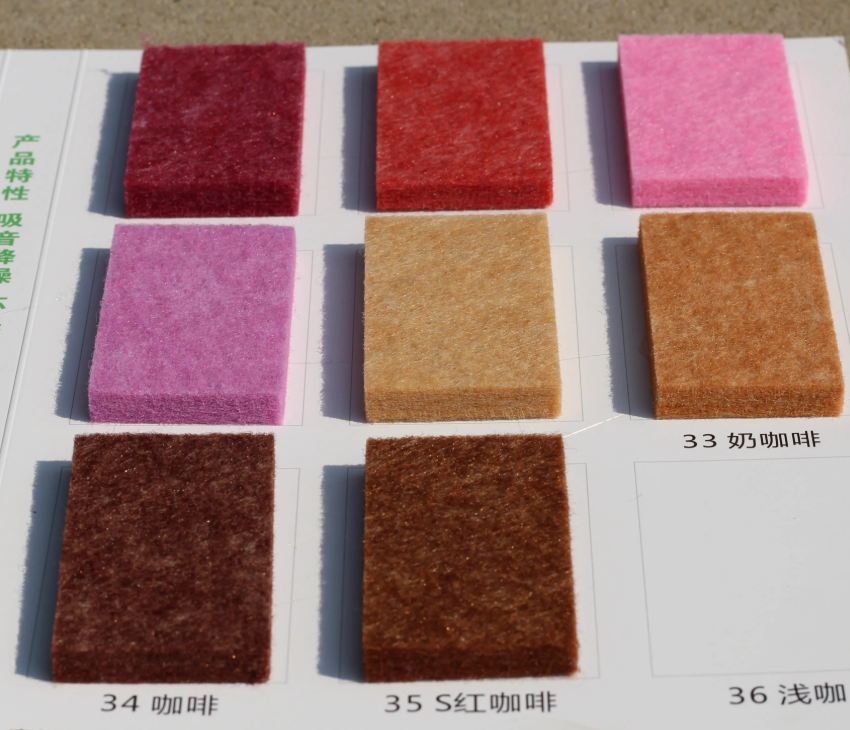
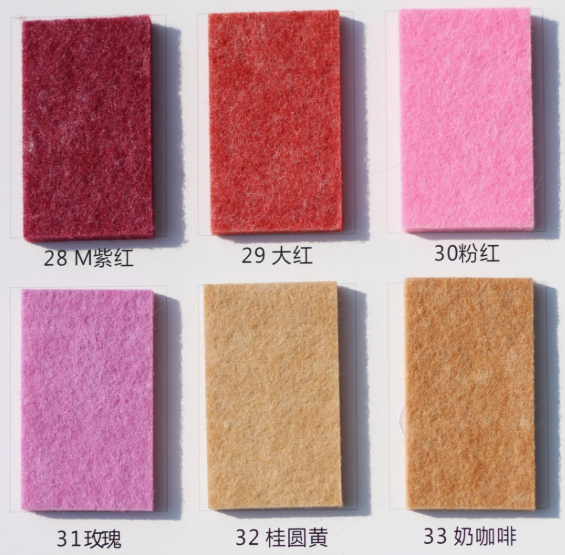
Polyester fiber acoustic panels release formaldehyde and toluene into the air through off gassing, particularly noticeable in rooms that get warm and don't have good ventilation. The material's porous nature means it collects dust, mold spores, and all sorts of microbes inside, basically acting as a breeding ground for stuff floating around in the air we breathe. These two problems together can really mess with people's lungs, especially where lots of folks spend time. Take schools for instance, places that install regular polyester panels tend to see about 27 percent more kids developing asthma issues according to research from the Indoor Air Journal back in 2022. Natural materials just sit there doing nothing harmful, but these synthetic options don't come with built in defenses against germs or ways to control moisture levels naturally. That absence makes allergies worse and increases chances of getting bronchitis down the road.
Clinical Evidence Linking Low-VOC Interiors to Reduced Allergies, Better Sleep, and Improved Productivity
Clinical research consistently links low-VOC interiors to tangible health and performance gains. A three-year hospital study comparing departments with certified non-toxic finishes found:
| Health Metric | Improvement | Duration |
|---|---|---|
| Allergy symptoms | 38% reduction | 6 months |
| Sleep efficiency | 22% increase | 12 months |
| Task completion | 17% faster | 24 months |
Staff also reported 31% fewer sick days—evidence that material choices directly influence human wellness and organizational resilience in built environments.
Environmental Performance: Embodied Carbon and Regenerative Potential of Interior Materials
Bamboo, Cork, and Reclaimed Wood: Low-Embodied-Carbon Alternatives with Proven Durability
When it comes to carbon capture, bamboo grows fast and locks away carbon at an impressive rate, making its carbon footprint about half that of concrete according to some studies (Giuffrida et al.). Harvesting cork from trees actually keeps those trees alive and continues their ability to absorb CO2. Meanwhile, using reclaimed wood cuts out all the emissions normally associated with cutting down fresh timber and processing it. These materials last surprisingly long too. Bamboo has strength comparable to steel in certain applications, and there are plenty of old buildings still standing thanks to timber beams that have held up for over 100 years. Research published in 2023 by Yan and colleagues shows that structures built with these materials can reduce embodied carbon by around 30 to 40 percent compared to regular building methods. That makes a real difference when looking at alternatives such as those polyester acoustic panels which require so much energy to produce.
Algae-Based Finishes, Mycelium Composites, and Clay Plaster: Next-Gen Materials with Net-Positive Lifecycle Profiles
Algae based finishes actually grab CO2 while being made, turning those emissions into tough biopolymers that last forever. The mycelium stuff grows super fast from farm scraps and breaks down safely when it's time to go. Speaking of natural materials, clay plaster does wonders for controlling indoor humidity levels too. Some studies suggest it cuts down on HVAC energy needs somewhere around 15 to maybe even 20 percent according to Proietti and company. What makes these options stand out compared to regular finishes? They're carbon negative basically. Take those algae panels for instance they suck up about 1.5 times more CO2 than what gets released making them pretty amazing. Plus there's room for growth here since mycelium bricks cut down on landfill trash by roughly 90% compared to plastic alternatives. That kind of waste reduction is exactly what circular economy folks dream about.
Beyond Greenwashing: How to Evaluate True Sustainability in Interior Products
Three Non-Negotiable Criteria: Renewable Sourcing, Zero-Toxicity Certification (e.g., Declare, Cradle to Cradle), and Circular End-of-Life Pathways
To really cut through all the greenwash out there, we need to check three main things. Let's start with materials sources. Look for stuff that comes from renewable resources or things that can regenerate quickly, like bamboo certified by the Forest Stewardship Council or leftover agricultural waste after harvest. That ensures our planet isn't getting hurt right from where products come from. Next up, chemical safety matters a lot too. We should push for third party certifications such as Cradle to Cradle or the Declare Label. These actually test for bad stuff like chemicals that mess with hormones, cancer causing agents, and those pesky toxins that stick around forever in nature. Many acoustic panels made from polyester fibers contain exactly these kinds of harmful substances. Finally, what happens when a product reaches the end of its life? Check if companies have take back programs or solid evidence showing their products truly break down without leaving behind toxic residue. According to a recent study by Textile Exchange in 2023, nearly two thirds of so called "eco friendly" interior products didn't meet even one of these basic requirements when tested objectively. When we apply this three part approach, sustainability stops being just fancy marketing talk and becomes real standards we can measure throughout production, how safe they are for people who use them, and what happens once they're thrown away.
Table of Contents
-
Health Risks of Conventional Interior Materials—Especially Polyester Fiber Acoustic Panels
- How VOC Emissions from Synthetic Materials Degrade Indoor Air Quality and Cognitive Function
- Polyester Fiber Acoustic Panel Off-Gassing: Hidden Sources of Respiratory Stress in Offices and Schools
- Clinical Evidence Linking Low-VOC Interiors to Reduced Allergies, Better Sleep, and Improved Productivity
- Environmental Performance: Embodied Carbon and Regenerative Potential of Interior Materials
- Beyond Greenwashing: How to Evaluate True Sustainability in Interior Products