 EN
EN
Understanding Calcium Silicate Board Classifications and Core Performance Metrics
Standard, high-density, moisture-resistant, and high-temperature variants: functional trade-offs and price implications
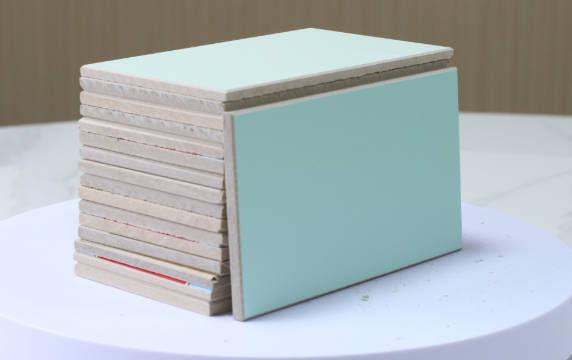
Calcium silicate boards come in four main varieties standard, high density, moisture resistant, and high temperature each designed for different needs and budgets. The standard ones, priced around $12 to $15 per square foot, provide basic fire protection according to ASTM standards and work well in dry indoor spaces. High density boards cost more, between $18 and $22 per square foot, and can handle compression forces above 18 MPa which makes them good for structural applications though they do get heavier to handle. Moisture resistant versions absorb less than half a percent water when tested under ASTM C1185 guidelines, so these are must haves for areas that stay damp like bathrooms or near swimming pools. For extreme heat environments, there are special high temperature boards containing something called crystalline xonotlite that can withstand temperatures reaching 650 degrees Celsius. These are often used in industrial settings where insulation matters most. Generally speaking, every time performance specs go up by about 10%, prices tend to jump 15 to 20%. That means it pays to pick the simplest board that still meets requirements instead of going for top tier features unless absolutely necessary.
Critical ASTM-certified properties—fire resistance (E136/E84), moisture absorption (≤0.5%), dimensional stability (<0.1%), and compressive strength (≥12 MPa)—and how they drive long-term cost-effectiveness
Getting ASTM certified means products stand up to actual conditions out there in the field, which really affects how much money gets spent over their lifetime. When boards meet those E136/E84 fire resistance standards, they can resist flames for over 120 minutes straight. That kind of performance actually lowers commercial insurance rates by around 22 percent according to research from Ponemon back in 2023. Another important factor is moisture absorption staying below half a percent as specified by ASTM C1185 standard. This keeps materials from swelling up, warping shapelessly, or developing mold problems that lead to costly replacements down the road. Some studies suggest this alone cuts replacement costs by about 30%. For dimensional stability, look at ASTM C356 requirements where changes stay under 0.1%. This consistency maintains proper joints between components throughout their lifespan, so nobody has to spend extra time and money on recaulking later on. And let's not forget compressive strength needs to hit at least 12 MPa according to ASTM C165 specs. Materials that strong handle structural loads without cracking, meaning fewer repairs needed and longer service life stretching past 25 years easily. All these certifications together typically give builders anywhere from 5 to 7 times better returns compared to materials that don't meet these standards. Plus, getting approval from regulators happens faster when using certified products, something that matters a lot since delayed projects can cost an average of $740k every single month according to Ponemon data from last year.
| Property | ASTM Standard | Threshold | Cost Impact Factor |
|---|---|---|---|
| Fire Resistance | E136/E84 | 120+ minutes | 22% insurance reduction |
| Moisture Absorption | C1185 | ≤0.5% | 30% replacement savings |
| Dimensional Stability | C356 | <0.1% change | Eliminates recaulking |
| Compressive Strength | C165 | ≥12 MPa | Prevents structural repairs |
Comparative Cost Analysis: Calcium Silicate Board vs. Alternatives Across the Installation Lifecycle
Material cost breakdown: calcium silicate board ($12–$22/sq.ft.) versus MgO and fiber cement—including freight, waste, and handling premiums
Calcium silicate board delivers compelling value across the supply chain. Priced between $12–$22/sq.ft., it undercuts premium magnesium oxide (MgO) boards by 15–30% while aligning with fiber cement’s baseline cost. Its advantages compound downstream:
- Freight: Average 15% lower shipping weight reduces transportation costs
- Waste: On-site waste remains below 5%, compared to 8–12% for brittle MgO and fiber cement
- Handling: No specialized lifting or cutting equipment required—unlike denser or more fragile alternatives
These efficiencies scale significantly on large commercial projects (>10,000 sq.ft.), where cumulative logistics and material savings become decisive.
Labor efficiency gains: how board density, edge quality, and cutability reduce skilled labor time by up to 22% (NIBS 2023)
Optimized physical properties translate directly to faster, safer installation. With a balanced density of 1.1–1.3 g/cm³ and precision factory edges, calcium silicate board cuts skilled labor hours by 18–22% (National Institute of Building Sciences, 2023):
- Cutability: Compatible with standard woodworking tools—no diamond blades or dust suppression needed, mitigating silica exposure risks
- Edge integrity: Factory-bevelled edges ensure flush joint alignment, removing the need for field sanding or finishing
- Handling efficiency: Uniform 4×8 ft sheet sizing enables rapid layout and installation—30% faster than irregular or warped alternatives
Given that labor accounts for 60–70% of total installation costs in high-wage markets, these gains often offset higher initial material costs within the first phase of construction.
Matching Calcium Silicate Board Specifications to Project-Specific Environmental and Code Requirements
Aligning fire rating (e.g., 2-hour assemblies), moisture exposure class (ASTM C1185 I–IV), and thermal load with board classification—avoiding costly over-specification
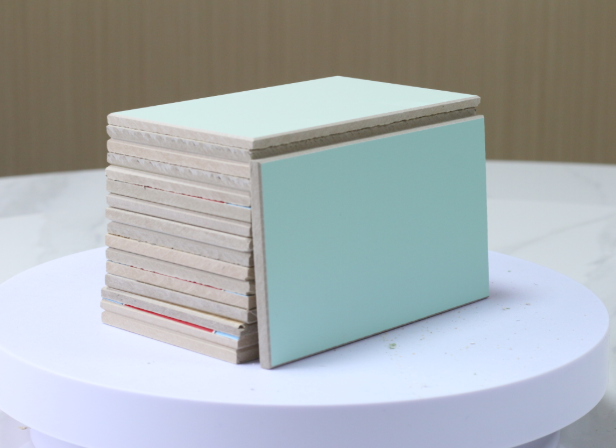
Selecting the right board hinges on precise alignment with environmental conditions, occupancy type, and local code mandates—not defaulting to premium grades. Over-specification inflates budgets by 15–30% without functional benefit (Construction Specifier, 2023). Three criteria anchor smart specification:
- Fire rating: Standard boards meet 1-hour assembly requirements; 2-hour fire walls demand high-density variants verified to ASTM E84’s flame-spread index ≤25.
- Moisture exposure class: Per ASTM C1185, Class I (dry interiors) requires no special treatment; Class IV (exterior or submerged environments) mandates ≤0.5% absorption—only moisture-resistant boards comply.
- Thermal load: Standard formulations suit ambient to 200°C applications; sustained temperatures above 650°C require high-temperature boards with xonotlite stabilization.
Always cross-reference project drawings with municipal building codes and ASTM classifications—not marketing claims. For example, specifying moisture-resistant boards in arid climates adds $3–$5/sq.ft. with zero performance upside. Prioritize third-party certifications (e.g., UL, ICC-ES) to verify compliance objectively.
Maximizing Value: Total Cost of Ownership and Long-Term ROI of Calcium Silicate Board
Looking at total cost of ownership instead of just what something costs initially makes the real money saving potential of calcium silicate boards stand out. Sure, the price per square foot ranges between around $12 and $22, but think about how long it lasts, how well it performs with energy, and basically needing almost no maintenance after installation. One big manufacturer did a 10 year comparison study and saw their maintenance bills drop by 40% compared to similar fiber cement products. Why? Because these boards have three main advantages working together: they resist moisture really well (less than half a percent water absorption according to ASTM standards), maintain structural integrity even during fires (meets E136/E84 ratings), and stay stable in shape over time (under 0.1% warping as tested by ASTM). Independent labs have confirmed all these claims too. And recent 2023 research from NIBS shows buildings using this material can cut HVAC system workload by up to 30%, which obviously saves money on running costs. For commercial projects where conditions match the product specs and building codes are met, most companies see their investment paid back within 3 to 5 years without dealing with early failures or spending extra on unnecessary reinforcement.
Table of Contents
-
Understanding Calcium Silicate Board Classifications and Core Performance Metrics
- Standard, high-density, moisture-resistant, and high-temperature variants: functional trade-offs and price implications
- Critical ASTM-certified properties—fire resistance (E136/E84), moisture absorption (≤0.5%), dimensional stability (<0.1%), and compressive strength (≥12 MPa)—and how they drive long-term cost-effectiveness
- Comparative Cost Analysis: Calcium Silicate Board vs. Alternatives Across the Installation Lifecycle
- Matching Calcium Silicate Board Specifications to Project-Specific Environmental and Code Requirements
- Maximizing Value: Total Cost of Ownership and Long-Term ROI of Calcium Silicate Board