
 EN
EN
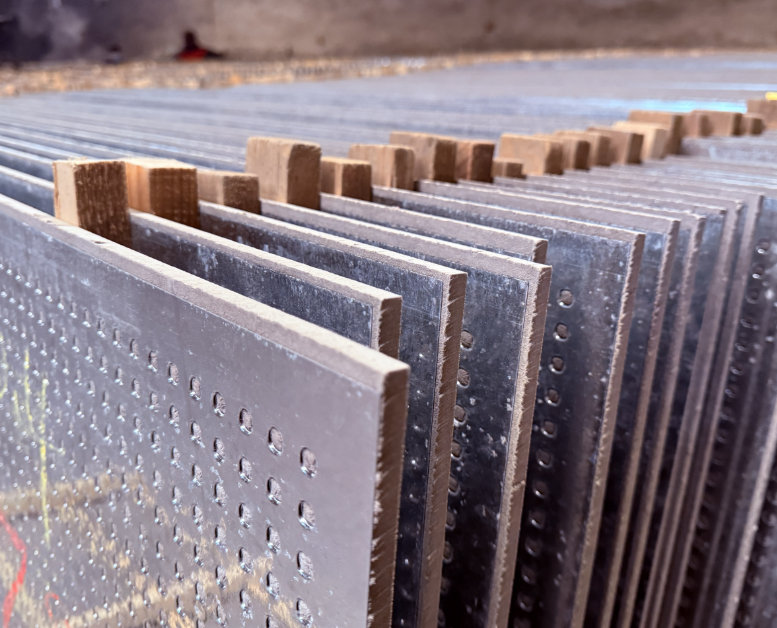
How Fireproof Cement Board Delivers Proven Fire Resistance in Industrial Environments
Thermal Stability and Structural Integrity Under Hydrocarbon and RWS Fire Exposure
The fireproof cement board holds up remarkably well in intense fire situations thanks to its calcium silicate makeup that simply won't burn. With a thermal conductivity rating of just 0.25 W/mK, this material really slows down how fast heat moves through building components. That matters a lot during those dangerous hydrocarbon fires that can hit 2000 degrees Fahrenheit or follow the quick rising temperature pattern seen in RWS tests. Lab tests show these boards can handle temps above 1800°F for more than two hours without bending out of shape or losing strength. This kind of performance is absolutely vital in places like refineries where flames can spread incredibly fast. What sets it apart from other mineral boards is how its thick construction resists flaking even when subjected to sudden temperature changes. Firefighters appreciate this stability because it keeps structures intact longer, giving them more time to control blazes before anything collapses unexpectedly.
The Science Behind Fire Resistance: Hydration, Dehydration, and Pore Structure Dynamics
What makes this material perform so well under fire conditions comes down to basic cement chemistry principles combined with careful engineering at the microscopic level. When the material first starts to hydrate, those calcium silicate hydrate gels create something like a dense matrix structure with very little space for water to move around through tiny pores. Fire exposure causes the bound water inside to release in an endothermic reaction, basically soaking up about 2.26 kilojoules per gram of heat energy which helps slow down how quickly temperatures climb inside whatever structure it's part of. At the same time, there's this network of really small pores ranging from 2 to 50 nanometers across that lets steam escape gradually instead of building up pressure internally. This prevents what happens with other materials where sudden pressure changes cause them to explode apart during fires. Because of these two mechanisms working together, the material meets the strict requirements for ASTM E136 non combustibility standards and maintains impressive compressive strength over 12 megapascals even when subjected to intense heat conditions.
Meeting Industrial Fire Safety Compliance with Fireproof Cement Board
Adherence to IBC §2603.2, NFPA 220, and ASTM E136 for Non-Combustible Substrates
Fireproof cement boards meet all the essential regulations for non-burning materials out of the box. They work with codes like IBC 2603.2, NFPA 220, and ASTM E136 without needing any extra coatings or layered materials. The stuff is basically made from minerals so it doesn't feed fires at all, won't drop hot bits when heated, and barely makes smoke even when exposed to flames. Because it comes compliant right from manufacturing, architects don't have to jump through hoops during design reviews. Engineers spend less time coordinating with different departments, and building owners get better legal protection since everything lines up with those tough standards required for places where fires could be really dangerous.
Enabling Class A and 1-Hour/2-Hour Fire-Rated Assemblies in Load-Bearing Systems
As a key element in certified fire rated assemblies, this material meets Class A surface burning requirements with a flame spread index below 25 according to ASTM E84 standards. It also works well in creating walls, floors, and columns that have been tested and listed by UL and Intertek for both one hour and two hour fire resistance ratings. When exposed to prolonged heat, the board maintains its shape and size, which makes it reliable for load bearing jobs like mezzanine decks, wrapping around structural columns, and supporting industrial processes where keeping things structurally intact matters just as much as stopping flames from spreading. This kind of dependable performance helps meet safety code requirements for emergency exits and reduces the chance of fires reigniting in large manufacturing spaces after the initial blaze has been contained.
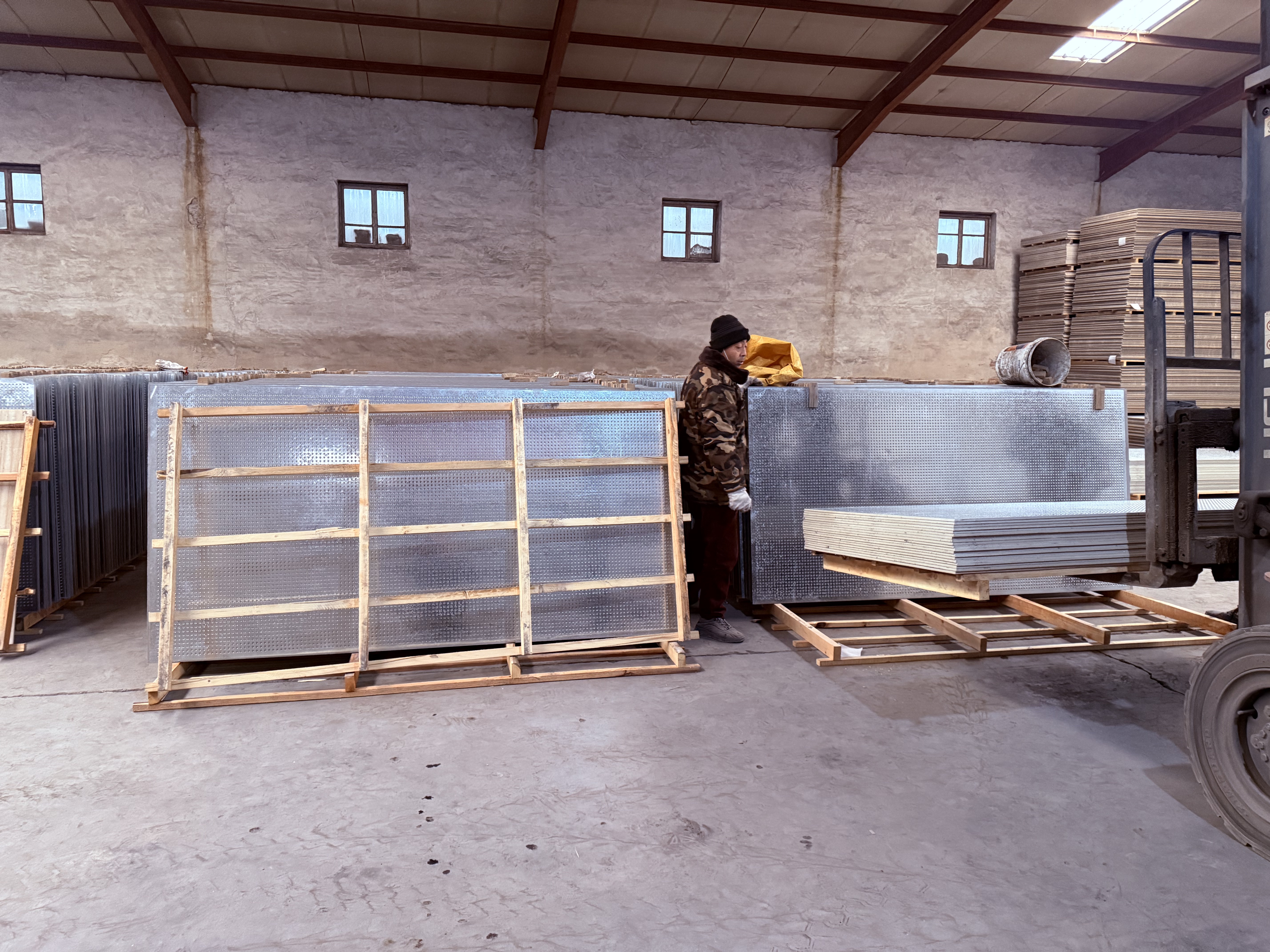
Key Industrial Applications Where Fireproof Cement Board Is Non-Negotiable
Fire-Rated Walls, Cladding, and Structural Fireproofing in Petrochemical and Heavy Manufacturing Facilities
Fireproof cement boards are essential in petrochemical plants and heavy manufacturing settings. These places deal with hydrocarbon fuels, pressurized tanks, and reactive chemicals that naturally increase fire risks. Regular materials just won't cut it here. The real advantage comes from how these boards hold their shape even when temperatures exceed 1000 degrees Celsius. They also stand up against explosive spalling during sudden heat increases something most standard gypsum or fiber cement products can't handle for long before failing completely.
In refineries, chemical processing units, and bulk storage areas, fireproof cement board delivers mission-critical performance in three key roles:
- Fire-rated walls and partitions, providing 2+ hour containment that exceeds ASTM E136 non-combustibility thresholds
- Non-combustible cladding systems, shielding structural steel from external fire exposure and preventing heat-induced buckling
- Structural fireproofing, protecting columns, beams, and equipment supports without adding combustible mass or toxic off-gassing
After the massive Houston refinery fire in 2022 that cost insurers around $740 million according to Marsh's energy report, companies across industries have started viewing the specification of certain materials as fundamental to their risk management plans. The material's stable pore structure actually helps reduce the amount of toxic smoke produced when things get dehydrated, which makes it compatible with NFPA 220 standards for Class A assemblies. Looking at numbers from FM Global shows something pretty telling too: facilities typically see about a 35% jump in fire insurance costs following significant accidents. That's why many experts now recommend using fireproof cement boards not only because they meet building codes, but also because they make good business sense over time. It's basically a smart investment that protects both people and profits in the long run.