 EN
EN
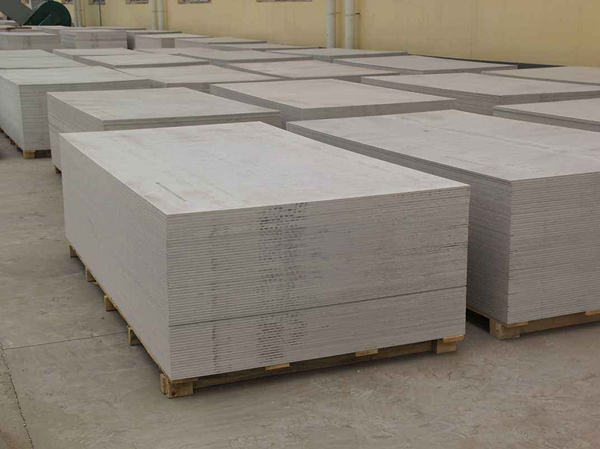
Ανόργανη σύνθεση και κρυσταλλική δομή: Η ρίζα της ανθεκτικότητας στην υγρασία
Ο ρόλος των κρυστάλλων τομπερμορίτη στην αποτροπή εισόδου νερού
Η πλάκα από σιλικονικό ασβέστιο προέρχεται την αντίστασή της στην υγρασία κυρίως από μια μοναδική ανόργανη κρυσταλλική φάση — τον τομπερμορίτη — που δημιουργείται κατά τη διάρκεια της αυτόκλαβης επεξεργασίας. Σε αυτήν τη διαδικασία υψηλής πίεσης με επεξεργασία με ατμό, το ασβέστιο και το πυρίτιο αντιδρούν για να παράγουν ενδοκλειόμενα, βελονοειδή κρυστάλλια τομπερμορίτη. Αυτά τα κρυστάλλια διατάσσονται σε πυκνό, στρωματοποιημένο πλέγμα που εμποδίζει φυσικά τη διείσδυση του νερού. Σε αντίθεση με τα πορώδη υλικά που βασίζονται στην καπιλλαρότητα, η χαμηλή ενεργειακή επιφάνεια του τομπερμορίτη απωθεί το υγρό νερό, ενώ το σφιχτά συμπακτωμένο κρυσταλλικό του πλέγμα δεν παρουσιάζει συνεχείς διαδρόμους για μετανάστευση. Ακόμη και υπό συνεχή υψηλή υγρασία, η πλάκα αντιστέκεται στη διόγκωση και στη δομική της υποβάθμιση. Εργαστηριακές δοκιμές επιβεβαιώνουν ότι ο πλήρως ανεπτυγμένος τομπερμορίτης μειώνει την απορρόφηση νερού κατά περισσότερο από 60% σε σύγκριση με τις συνηθισμένες τσιμεντοκονδυματικές πλάκες — καθιστώντας τις προστατευτικές επιστρώσεις προαιρετικές, αντί για υποχρεωτικές, για τον έλεγχο της υγρασίας.
Χαμηλό περιεχόμενο οργανικών ουσιών και απουσία υγροσκοπικών συνδετικών ουσιών
Το σχεδόν μηδενικό οργανικό περιεχόμενο της πλάκας αυξάνει περαιτέρω την ανθεκτικότητά της. Σε αντίθεση με τις πλάκες γύψου ή ξυλοϋφάσματος — οι οποίες περιλαμβάνουν κυτταρινικές ίνες ή δεσμώδη ουσίες βασισμένες σε άμυλο που απορροφούν την υγρασία του περιβάλλοντος — η πλάκα σιλικονικού ασβεστίου βασίζεται αποκλειστικά σε μεταλλικά συστατικά: τσιμέντο Portland, άμορφο πυρίτιο και ανόργανες ενισχυτικές ίνες. Δεν περιέχει υγροσκοπικές ρητίνες, φυσικές κόλλες ή κυτταρίνη. Αυτό εξαλείφει τη διόγκωση, τη στρέβλωση και τη βιολογική αποσύνθεση που προκαλείται από την υγρασία. Χωρίς υδρόφιλα δεσμώδη υλικά, η πλάκα διατηρεί τις διαστάσεις της σε συνθήκες μεταβαλλόμενης σχετικής υγρασίας. Το αδρανές μεταλλικό της πλέγμα δεν προσφέρει επίσης καμία θρεπτική ουσία για μύκητες ή μούχλα — εξασφαλίζοντας μακροχρόνια ανθεκτικότητα σε απαιτητικές εφαρμογές όπως οι θαλάμους ντους, οι εξωτερικές επενδύσεις και οι βιομηχανικές ζώνες υγρασίας.
Μικροδομή και αρχιτεκτονική των πόρων: Πώς η πλάκα σιλικονικού ασβεστίου περιορίζει τη μεταφορά υγρασίας
Καταστολή της καπιλλαρότητας μέσω βελτιστοποιημένης κατανομής μεγέθους πόρων
Η αντίσταση στην υγρασία ενισχύεται μέσω μιας ακριβώς μηχανοκατασκευασμένης δομής των πόρων. Κατά την αυτόκλαβη επεξεργασία, το υλικό αναπτύσσει μια ομοιογενή μικροδομή που κυριαρχείται από λεπτούς, μη συνεχείς καπιλλάριους πόρους—συνήθως με διάμετρο κάτω των 10 nm. Αυτή η στενή, ελεγχόμενη κατανομή μεγέθους πόρων διαταράσσει την καπιλλάρια δράση, καθώς η απορρόφηση νερού μέσω του φαινομένου του «καταβοσκήματος» (wicking) απαιτεί μεγαλύτερους, συνδεδεμένους πόρους που διέπονται από ευνοϊκή επιφανειακή τάση και γεωμετρία. Διατηρώντας το μέγεθος των πόρων κάτω του κρίσιμου ορίου για αποτελεσματική καπιλλάρια μεταφορά, η πλάκα περιορίζει σημαντικά την αρχική εισχώρηση νερού. Αυτό το σχέδιο αντανακλά καλά καθιερωμένες αρχές της φυσικής των κτιρίων: τα υλικά με βελτιστοποιημένες, υποκρίσιμες δομές πόρων εμφανίζουν συνεχώς χαμηλότερους συντελεστές απορρόφησης νερού σε σύγκριση με συμβατικές τσιμεντοκονδυματικές πλάκες.
Χαμηλή σορπτιβότητα και αργή κινητική διάχυσης υγρασίας
Η ίδια εξελιγμένη δομή των πόρων συμβάλλει σε εξαιρετικά χαμηλή σορπτιβότητα—δηλαδή στο ρυθμό με τον οποίο το νερό εισχωρεί στο υλικό. Τα εμπορικά πλακίδια ασβεστοπυριτίου καλύπτουν μια πυκνότητα από 200 έως 1800 kg/m³, επιτρέποντας στους κατασκευαστές να ρυθμίζουν την εσωτερική πορώδη δομή για συγκεκριμένους στόχους απόδοσης. Ακόμη και υπό συνεχή έκθεση σε υψηλή υγρασία ή σε άμεση επαφή με νερό, η διάχυση της υγρασίας προχωρά αργά. Αυτή η αργή κινητική συμπεριφορά οφείλεται όχι μόνο στη γεωμετρία των πόρων, αλλά και στην απουσία υγροσκοπικών οργανικών συστατικών που θα επιτάχυναν διαφορετικά τη μεταφορά. Ως αποτέλεσμα, το πλακίδιο διατηρεί τη δομική του ακεραιότητα και τη διαστασιακή του σταθερότητα σε διαρκώς υγρές συνθήκες—παρέχοντας αξιόπιστη απόδοση σε εξωτερικά επενδύσεις, υγρούς χώρους και βιομηχανικά περιβλήματα, χωρίς να θιγεί η αντοχή του στη φωτιά ή οι ακουστικές του ιδιότητες.
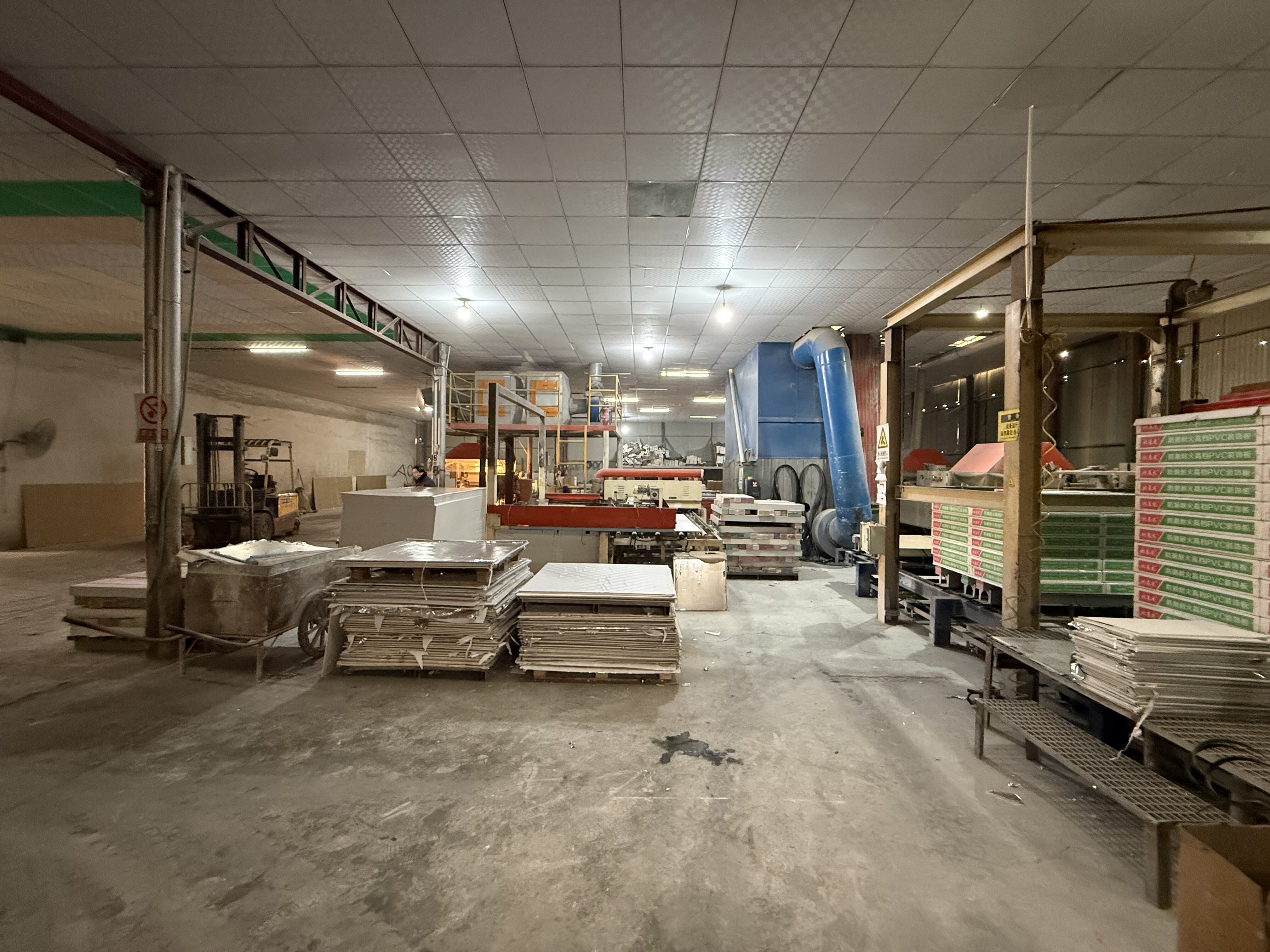
Μηχανική Ακεραιότητα υπό Υγρασία: Διατήρηση Αντοχής και Διαστασιακή Σταθερότητα
Συμπιεστική και καμπτική απόδοση κατά την κυκλική εναλλαγή υγρού-ξηρού (ASTM C1185/ISO 12086)
Οι πλάκες από σιλικονικό ασβέστιο διατηρούν τη μηχανική τους αντοχή κατά τη διάρκεια επαναλαμβανόμενων κύκλων υγρασίας-ξηρανσίας — ένα κρίσιμο κριτήριο για την πραγματική ανθεκτικότητα. Τυποποιημένες δοκιμές σύμφωνα με τα πρότυπα ASTM C1185 και ISO 12086 επιβεβαιώνουν ελάχιστη μείωση της θλιπτικής και καμπτικής αντοχής μετά από εκατοντάδες κύκλους. Αυτή η ανθεκτικότητα οφείλεται στο πυκνό, κρυσταλλικό πλέγμα του τομπερμορίτη, το οποίο αντιστέκεται στη μαλάκυνση και στη διόγκωση όταν εκτίθεται σε υγρασία. Σε αντίθεση με τις πλάκες με οργανική βάση, των οποίων οι συνδετικές ουσίες υποβαθμίζονται υπό συνθήκες υγρασίας, η ανόργανη σύνθεση του σιλικονικού ασβεστίου παραμένει σκληρή και φέρουσα. Για εφαρμογές σε μπάνια, κουζίνες και εξωτερικές προσόψεις — όπου η επαναλαμβανόμενη έκθεση σε υγρασία είναι αναπόφευκτη — αυτή η σταθερότητα εξαλείφει τις ανησυχίες για σταδιακή μείωση της δομικής αντοχής ή αποκόλληση.
Ελάχιστη υγροσκοπική διόγκωση και διατήρηση του ελαστικού μέτρου σε υψηλή σχετική υγρασία
Η πλάκα εμφανίζει εξαιρετική διαστατική σταθερότητα υπό την επίδραση υγρασίας. Η υγροσκοπική διόγκωση παραμένει κάτω του 0,1%, ακόμα και σε επίπεδα σχετικής υγρασίας που υπερβαίνουν το 90%. Αυτή η σχεδόν αμετάβλητη συμπεριφορά αποτρέπει το σχηματισμό ρωγμών, τον διαχωρισμό των αρμών και την παραμόρφωση της βάσης σε περιβάλλοντα που είναι συνεχώς υγρά. Κατά κύριο λόγο, το ελαστικό μέτρο της παραμένει σχεδόν αμετάβλητο σε υψηλά επίπεδα σχετικής υγρασίας — διασφαλίζοντας έτσι τη σκληρότητα και την αντίσταση στην κάμψη με την πάροδο του χρόνου. Αυτή η συνέπεια είναι ζωτικής σημασίας για εφαρμογές που απαιτούν ακρίβεια, όπως η υποστήριξη πλακιδίων, οι διαχωριστικοί τοίχοι με πιστοποιημένη αντοχή στη φωτιά και τα συστήματα οροφής με κρεμαστούς πλέγματα, όπου η επίπεδη επιφάνεια και η σκληρότητα επηρεάζουν άμεσα την ποιότητα τελικής επεξεργασίας και την απόδοση του συστήματος. Οι εργολάβοι επωφελούνται από προβλέψιμα επιτρεπόμενα όρια κατά την εγκατάσταση και από μειωμένη συντήρηση μακροπρόθεσμα, γνωρίζοντας ότι η γεωμετρία και η μηχανική απόκριση της πλάκας παραμένουν σταθερές σε όλη τη διάρκεια ζωής της.
Συχνές Ερωτήσεις
Τι είναι ο τομπερμορίτης και πώς βελτιώνει την αντοχή στην υγρασία;
Το τομπερμορίτη είναι μια κρυσταλλική φάση που σχηματίζεται κατά τη διαδικασία αυτόκλαβης στις πλάκες ασβεστοπυριτικού ασβεστόλιθου. Δημιουργεί ένα πυκνό πλέγμα που φυσικά εμποδίζει την είσοδο νερού και απωθεί το υγρό λόγω της χαμηλής ενέργειας επιφάνειας και της δομής με αλληλοεμπλοκή.
Περιέχουν οι πλάκες ασβεστοπυριτικού ασβεστόλιθου οργανικά συστατικά;
Όχι, οι πλάκες ασβεστοπυριτικού ασβεστόλιθου αποτελούνται αποκλειστικά από μεταλλικά συστατικά, όπως τσιμέντο Portland και άμορφο πυρίτιο, χωρίς κανένα οργανικό ή υγροσκοπικό δεσμό, διασφαλίζοντας έτσι τη διαστατική σταθερότητα.
Πώς επηρεάζει το μέγεθος των πόρων τη μεταφορά υγρασίας στις πλάκες ασβεστοπυριτικού ασβεστόλιθου;
Η μηχανικά ελεγχόμενη μικροδομή με λεπτούς, μη συνεχείς πόρους διαταράσσει την καπιλλαρική δράση, μειώνοντας σημαντικά την είσοδο νερού και επιβραδύνοντας τη διάχυση της υγρασίας.
Είναι ανθεκτικές οι πλάκες ασβεστοπυριτικού ασβεστόλιθου σε υγρές συνθήκες;
Ναι, διατηρούν τη μηχανική τους ακεραιότητα κατά τους κύκλους υγρασίας-ξηρασίας και παρουσιάζουν εξαιρετική αντίσταση στη διόγκωση ή στη δομική υποβάθμιση, καθιστώντας τις ιδανικές για υγρά περιβάλλοντα.
Περιεχόμενα
- Ανόργανη σύνθεση και κρυσταλλική δομή: Η ρίζα της ανθεκτικότητας στην υγρασία
- Μικροδομή και αρχιτεκτονική των πόρων: Πώς η πλάκα σιλικονικού ασβεστίου περιορίζει τη μεταφορά υγρασίας
- Μηχανική Ακεραιότητα υπό Υγρασία: Διατήρηση Αντοχής και Διαστασιακή Σταθερότητα
-
Συχνές Ερωτήσεις
- Τι είναι ο τομπερμορίτης και πώς βελτιώνει την αντοχή στην υγρασία;
- Περιέχουν οι πλάκες ασβεστοπυριτικού ασβεστόλιθου οργανικά συστατικά;
- Πώς επηρεάζει το μέγεθος των πόρων τη μεταφορά υγρασίας στις πλάκες ασβεστοπυριτικού ασβεστόλιθου;
- Είναι ανθεκτικές οι πλάκες ασβεστοπυριτικού ασβεστόλιθου σε υγρές συνθήκες;