 EN
EN
Korroosionkestävyys: maalattujen kattoverkkojen pitkäaikaisen kestävyyden perusta
Sinkkipinnoitteen standardit (Z60, Z100) ja niiden rooli pohjamateriaalin rappeutumisen ehkäisemisessä
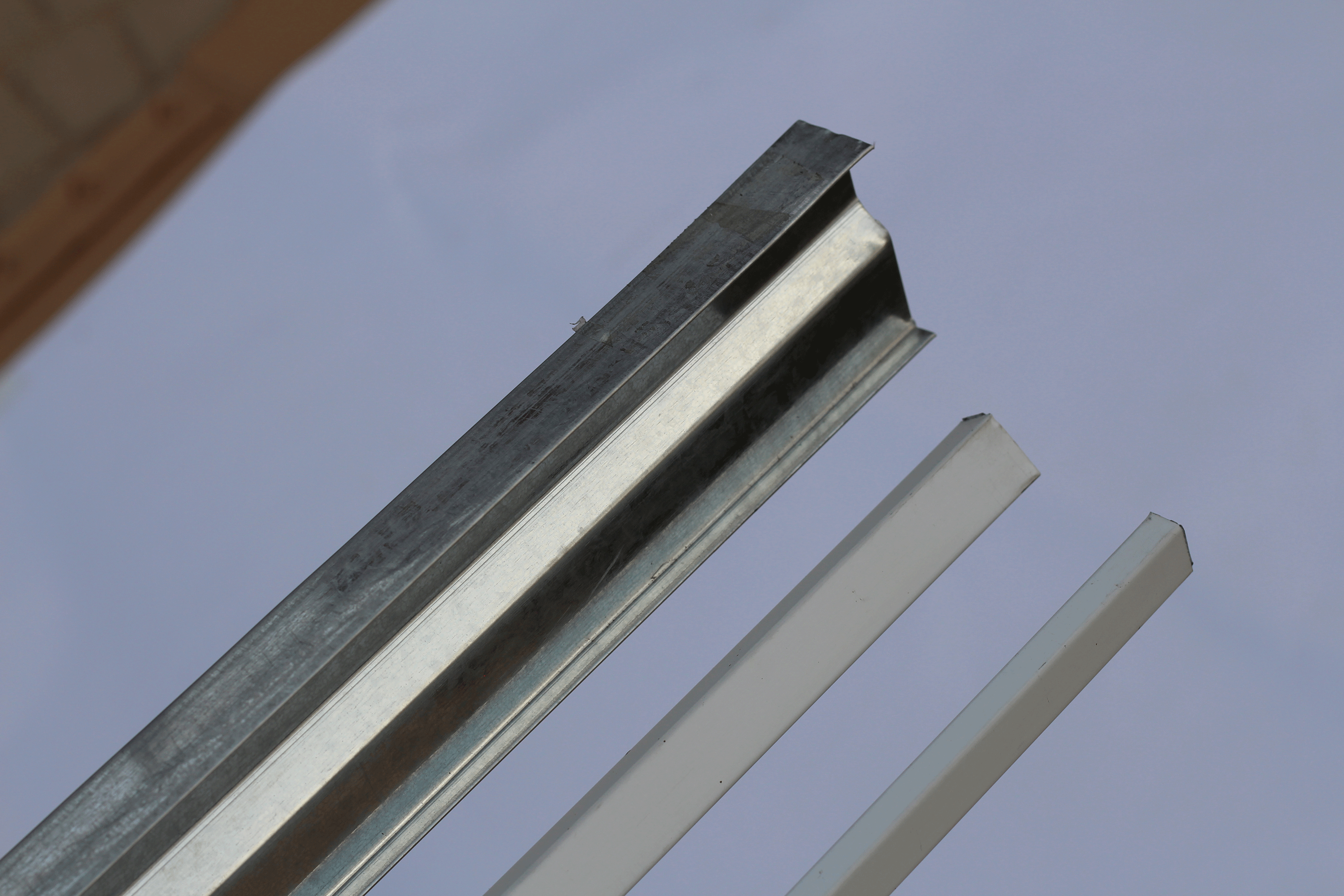
Sinkin pinon paksuus on ratkaiseva tekijä korroosion torjunnassa niissä maalatuissa kattoverkoissa, joita asennamme kaikkialla. Tavallisille sisätiloille Z60-standardi, joka vastaa noin 60 grammaa neliömetrillä, toimii erinomaisesti. Jos kuitenkin puhutaan kosteuden kertymisalueista tai kemikaalien käytön alueista, kuten laboratorioista tai sairaaloiden puhdistushuoneista, Z100-standardi, joka vastaa 100 grammaa neliömetrillä, on välttämätön. Tämän taustalla oleva tiede perustuu siihen, että sinkki uhrautuu ensin elektrokemiallisten reaktioiden kautta ja suojaa siten alapuolella olevaa terästä ruostumiselta. Olemme havainneet, että jopa pienimmät ruosteen merkit voivat heikentää koko rakennetta ja aiheuttaa maalien irtoamista ajan myötä. Testit osoittavat, että Z100-pinolla varustetut verkkorakenteet säilyttävät noin 98 % alkuperäisestä teräksen kestävyydestään, kun ne ovat olleet suolapirttitestissä 1 500 tuntia. Tämä on itse asiassa kolme kertaa parempi tulos kuin ilman mitään pintakäsittelyä saavutettava tulos. Tämän peruspinnan oikea valinta tarkoittaa, että teräsrunko pysyy vahvana, mikä mahdollistaa kaiken sen, mikä rakennetaan sen päälle, kestävän huomattavasti pidempään ilman ongelmia.
Pulverimaalauksen tarttuvuus ja eheys: Miksi perusmaalin integrointi on välttämätöntä yli 20 vuoden kestolle
Jokin kestää kahdeksankymmentä vuotta ei ainoastaan sen takia, että se näyttää hyvältä pinnalta. Todellinen merkitys on siinä, kuinka hyvin pinnoite sitoutuu molekulaarisella tasolla siihen materiaaliin, johon sitä on sovellettu. Oikein integroidut alatulostusjärjestelmät muodostavat todellisia kemiallisia sidoksia sinkillä pinnoitettuihin teräspintoihin. Nämä sidokset luovat huomattavasti vahvemman liitoskohdan kuin tavallisilla metallipinnoitteilla saavutetaan. Kun kattojen lämpötila vaihtelee jatkuvasti päivän ja yön aikana, nämä vahvat sidokset estävät ongelmia, kuten pieniä kuplia ja irtoamista, jotka usein johtavat hilajärjestelmien varhaisiin vioittumisiin. Käytännön asennusten huoltotietojen perusteella rakennukset, joissa käytetään näitä integroituja alatulostusjärjestelmiä, tarvitsevat noin kahdeksan kertaa vähemmän korjaustoimenpiteitä viidentoista vuoden kuluttua verrattuna rakennuksiin, joissa käytetään vain yhtä pinnoitekerrosta. On myös toinen hyödyllinen ominaisuus, joka on mainittava. Näissä alatulosteissa käytetty erityinen kromaatikerros toimii suodattimena haitallisille ilmassa leijuville hiukkasille ennen kuin ne ehtivät edes lähestyä riittävän lähelle vahingoittamaan alapuolista materiaalia. Tämä ominaisuus tekee kaiken eron paikoissa, joissa ilmanlaatu on erityisen tärkeä, kuten sairaalaympäristöissä tai lääkkeiden valmistusalueilla.
Rakenteellinen kestävyys: teräksen mittakaava, laatu ja ulottuvuudellinen vakaus vuosikymmenten ajan
24–26 AWG -teräsmittakaava ja kestävä kantokyky kaupallisissa kattojärjestelmissä
Teräksen paksuus kattojärjestelmissä vaikuttaa merkittävästi siihen, kuinka hyvin ne kestävät kuormaa ja säilyttävät muotonsa ajan myötä. Useimmat kaupallisissa tiloissa käytetyt kattorakenteet käyttävät 24–26 AWG (American Wire Gauge) -lankaa. Paksuumpi 24 AWG -lanka kestää raskaampia esineitä, kuten suuria valaisimia, maanjäristyskiinnitysjärjestelmiä ja muita mekaanisia komponentteja. Ohuempi 26 AWG -lanka riittää tavallisissa asennuksissa, mutta se ei lisää tarpeetonta tilavaa massaa. Kuitenkin standardien alapuolelle siirtyminen aiheuttaa ongelmia. Ohuemman lankamitan teräs taipuu tai vääntyy helposti jatkuvan rasituksen alaisena, esimerkiksi ilmastointilaitteiden kiinnittämisen tai huoltotyöntekijöiden pääsyn aikana kattoavaruuteen. Tämä johtaa myöhemmin erilaisiin ongelmiin, kuten vääntyneisiin kattopaneeleihin, epäsuorat liitokset ja kalliisiin korvaustarpeisiin rakennuksen käyttöiän puolivälissä. Siksi useimmat insinöörit noudattavat näitä lankamittoja: he tietävät, että teräs kestää taipumisvoimia vuosikymmeniä, mikä pitää kaiken suorana ja toimivana niin kuin suunniteltiinkin.
ISQ300:n myötälujuus ja kestävyys särkymiselle, muodonmuutokselle, kriipimiselle ja väsymiselle jatkuvan rasituksen alaisena
ISQ300 -luokan teräs on suunniteltu erityisesti torjumaan kolmea pääongelmaa, joita muut materiaalit usein kohtaavat: ajan myötä tapahtuva taipuminen, hitaasti etenevä muodonmuutos jatkuvan kuorman vaikutuksesta ja toistuvan rasituksen aiheuttama hajoaminen. Sen minimivirtauslujuus on noin 300 MPa, mikä tarkoittaa, että tämä teräs ei taipu tai riipu omaan painoonsa pitkissä jänneväleissä. Se vastustaa myös hitaita muutoksia, kun sen päällä on raskas kuorma päiviä tai viikkoja. Lisäksi se kestää hyvin niitä pieniä värähtelyjä ja lämpötilan vaihteluita, jotka esiintyvät päivittäin. Testit osoittavat, että ISQ300 säilyttää laboratoriossa noin 50 000 rasituskyklen jälkeenkin noin 98 prosenttia alkuperäisestä muodostaan. Tämä on huomattavasti enemmän kuin useimmat järjestelmät todellisuudessa tarvitsevat normaalissa käytössä. Teräksen kyky vastustaa väsymistä tekee siitä erityisen hyödyllisen esimerkiksi konehuoneiden läheisyydessä tai maanjäristyksille alttiissa alueilla. Olemme havainneet, kuinka halvemmat teräkset kehittävät pieniä halkeamia, jotka lopulta johtavat liitosten irtoamiseen ja koko järjestelmän epäonnistumiseen; siksi pitkäikäinen ratkaisu on ehdottomasti sijoituksen arvoinen.
Ympäristöresilienssi: Kosteuden, lämpötilan vaihtelujen ja UV-säteilyn kestäminen
ASTM E84- ja ISO 1182 -standardien mukainen validointi: Tuliturvallisuus ja mitallisesti vakaus kiihdytettyjen ikääntymisjaksojen aikana
ASTM E84 -standardin mukaiset pinnan palamisominaisuuksia ja ISO 1182 -standardin mukaiset ei-polttopäiset vaatimukset testaamalla osoitetaan, että maalatut kattoverkot kestävät useita vuosia kovia ympäristöolosuhteita. Kiihdytetty ikääntymistestaus altistaa materiaalit erinomaisen ankaroille koekäytöille, kuten lämpötilan vaihteluille miinus 20 asteesta plus 60 asteeseen, jatkuvalle 95 %:n kosteusaltistukselle ja voimakkaalle ultraviolettisäteilylle. Tämä koko testausohjelma simuloi laboratoriossa vain 2 500 tunnissa noin viisikymmentä vuoden mittaisen todellisen ympäristön kulutusta. Suorittaessaan suorituskyvyn arviointia tarkastellaan pääasiassa kolmea keskeistä aluetta:
| Validointipainopiste | Keskeiset mittauskriteerit | TEOLLisuuden BENCHMARK |
|---|---|---|
| Paloturvallisuus | Liekkien leviämisindeksi (< 25) | ASTM E84 -luokan A arvosana |
| Mitallinen vakaus | ±0,5 % vääntymä 5 000 kierroksen jälkeen | ISO 1182 liite B -vaatimusten noudattaminen |
| Pintakäsittelyn eheys | ±5 % kiilto-/värihäviö | QUV-kiihdytetty säätuhoantutestaus |
Liimauslujuuden testaus ristihakkausmenetelmällä suolahöyryn altistumisen jälkeen osoittaa, kuinka hyvin materiaalit kestävät irtoamista ja pienien halkeamien muodostumista. Kun järjestelmät läpäisevät nämä testit, ne yleensä säilyttävät muotonsa melko hyvin noin 1 mm:n tarkkuudella jopa nopeissa lämpötilanmuutoksissa, mikä estää kattojen samentumista tai liitosten aukeamista rasituksen alaisena. Molempien standardien mukaisen sertifiointi on erityisen tärkeää rannikkoalueilla, korkean kosteuden alueilla tai paikoissa, joissa esiintyy runsasta mekaanista toimintaa. Ympäristövahingot ovat edelleen merkittävä ongelma näissä olosuhteissa, ja kenttäraporttien mukaan ne aiheuttavat noin yhdeksän kymmenestä varhaisesta kattovauriosta, jos niitä ei torjuta teollisuuden huoltotyöntekijöiden raporttien mukaan.
Käytännön validointi: Huoltotehokkuus ja yli 15 vuoden kestoisuus kriittisissä ympäristöissä
Terveydenhuollon laitoksen tarkastus: ASHRAE 170 -vaatimusten mukaiset asennukset ja nolla vaihtotarve yli 15 vuoden ajan
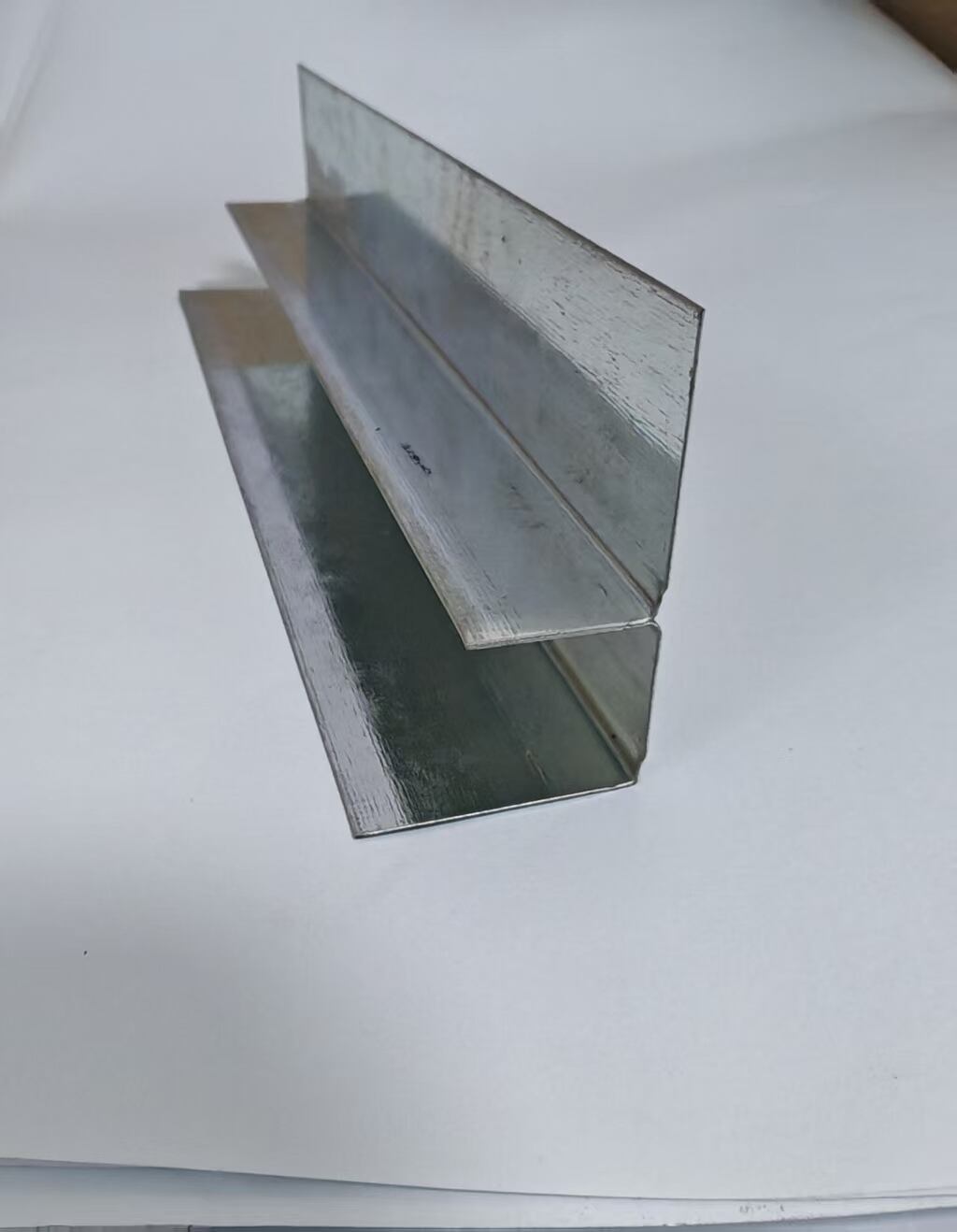
ASHRAE 170 -vaatimusten mukaisten kattoverkkojen tarkastelu useissa sairaaloissa yli 15 vuoden ajan paljastaa jotain merkittävää – mikään verkon osa ei vaatinut vaihtoa kyseisen ajanjakson aikana, vaikka kyseessä olivatkin vaativat alueet, kuten leikkaussalit ja kosteudeltaan haastavat toipumistilat, joissa olosuhteet ovat ankaria. Nämä paikat testaavat materiaaleja päivittäin ja ympäri vuorokauden: lämmitysjärjestelmät ovat käytössä jatkuvasti, pintoja desinfioidaan säännöllisesti ja ilmassa olevia hiukkasia valvotaan tiukasti. Myös huoltotiedot kertovat mielenkiintoisen tarinan. Näillä verkkoilla puhdistus muuttui huomattavasti helpommaksi, mikä vähensi työvoimakustannuksia noin 30 prosenttia vanhempiin järjestelmiin verrattuna. Lisäksi kaareutumisongelmia ei esiintynyt, sillä materiaalit säilyttivät muotonsa kaikkien lämpötilamuutosten ja fyysisten rasitusten aikana. Emme havainneet myöskään maalin irtoamista, pinnoitteen rakoilua tai metallipintojen ruostumista, mikä osoittaa, että materiaalien valinnat olivat täysin oikeat. Kun kaikki laskettiin pitkän aikavälin kannalta, rakennukset, joissa käytettiin näitä verkkoja, säästivät noin 40 prosenttia kokonaiskustannuksista verrattuna rakennuksiin, joissa oli tavallisia asennuksia. Tämä on loogista ajateltuna – oikean sinkkipinnoituksen paksuuden, asianmukaisen esimaalauskerroksen soveltamisen, oikean terästyypin valinnan ja riittävän rakenteellisen lujuuden varmistaminen edistävät kattojen kestävyyttä ja vähentävät huoltotarvetta.
Sisällysluettelo
- Korroosionkestävyys: maalattujen kattoverkkojen pitkäaikaisen kestävyyden perusta
- Rakenteellinen kestävyys: teräksen mittakaava, laatu ja ulottuvuudellinen vakaus vuosikymmenten ajan
- Ympäristöresilienssi: Kosteuden, lämpötilan vaihtelujen ja UV-säteilyn kestäminen
- Käytännön validointi: Huoltotehokkuus ja yli 15 vuoden kestoisuus kriittisissä ympäristöissä